Saudi Arabia Itinerary: Discover From Riyadh’s History to Al-Ula’s Desert Wonders

Last Updated on December 21, 2025 by Miru Adventures
Saudi Arabia is a land of contrasts — vast desert landscapes, bustling modern cities, and UNESCO World Heritage sites waiting to be explored. Tourism here is still relatively new, making much of the Kingdom feel refreshingly unexplored and offering travelers a rare opportunity to experience its wonders before the crowds arrive.
On our recent 12-day journey through Saudi Arabia, we experienced the Kingdom in a deeply immersive way, blending cultural exchange, awe-inspiring scenery, and exclusive access to some of the country’s most iconic sites.
Introduction to Saudi Arabia
Saudi Arabia is a place where ancient traditions meet modern ambition, making it one of the most intriguing destinations in the world for curious and adventurous travelers. As the birthplace of Islam and home to remarkable UNESCO World Heritage Sites, the Kingdom offers a rich tapestry of history, culture, and natural beauty.
From the energy of Riyadh to the historic neighborhoods of Jeddah and the dramatic desert landscapes of Al-Ula, traveling through Saudi Arabia is a journey filled with discovery. With tourism infrastructure evolving rapidly, now is an ideal time to visit — before this remarkable destination becomes widely explored.

Riyadh: Where History Meets Modernity
Our adventure began in Riyadh, Saudi Arabia’s dynamic capital. The city presents a fascinating dual personality: centuries of history alongside soaring modern architecture. At Al Masmak Fortress, we glimpsed the Kingdom’s origins, while Souq al Zel offered vibrant shopping for crafts—and we all picked up some fresh saffron to bring home.
At the Kingdom Center, we went to the top for spectacular city views, and the building’s architecture made your stomach drop just a bit—a thrilling reminder of Riyadh’s bold vision. Exploring Murabba Palace and the National Museum provided deep insights into Saudi heritage, while our night visit to Ad Diriyah under a starry sky was nothing short of magical. One of our guests, Peter, suggested we try Riyadh’s local train system—and we did, with impressive results! Immersing ourselves in daily life, we found the trains spotless, state-of-the-art, and unexpectedly enjoyable for getting around the city.
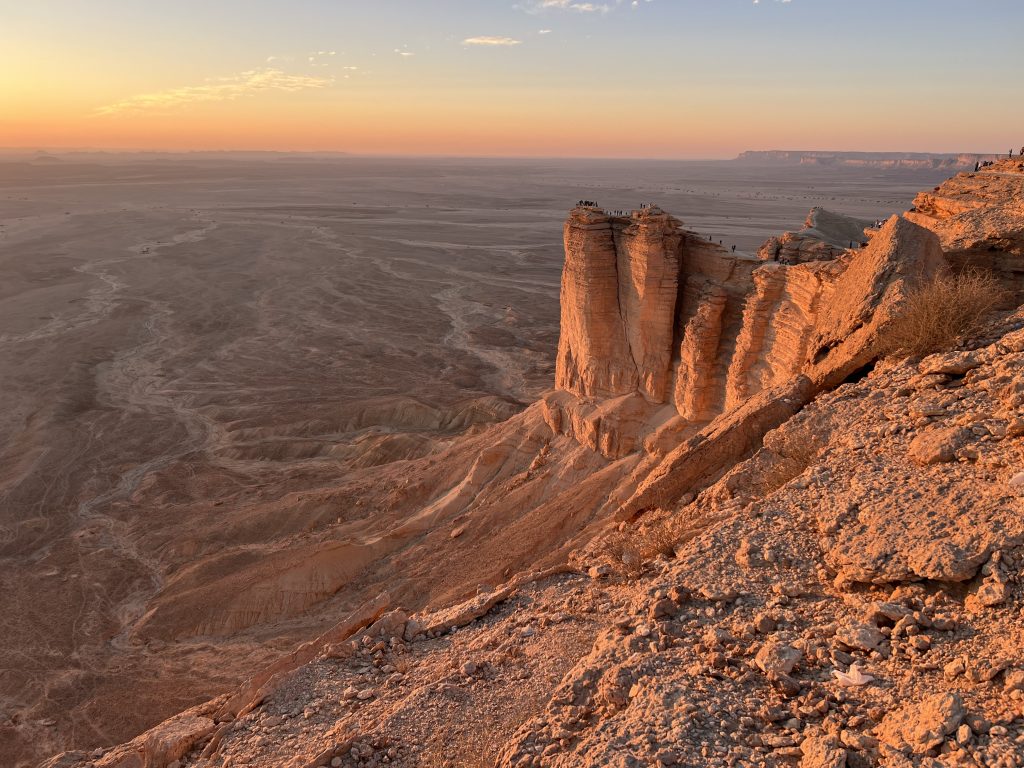
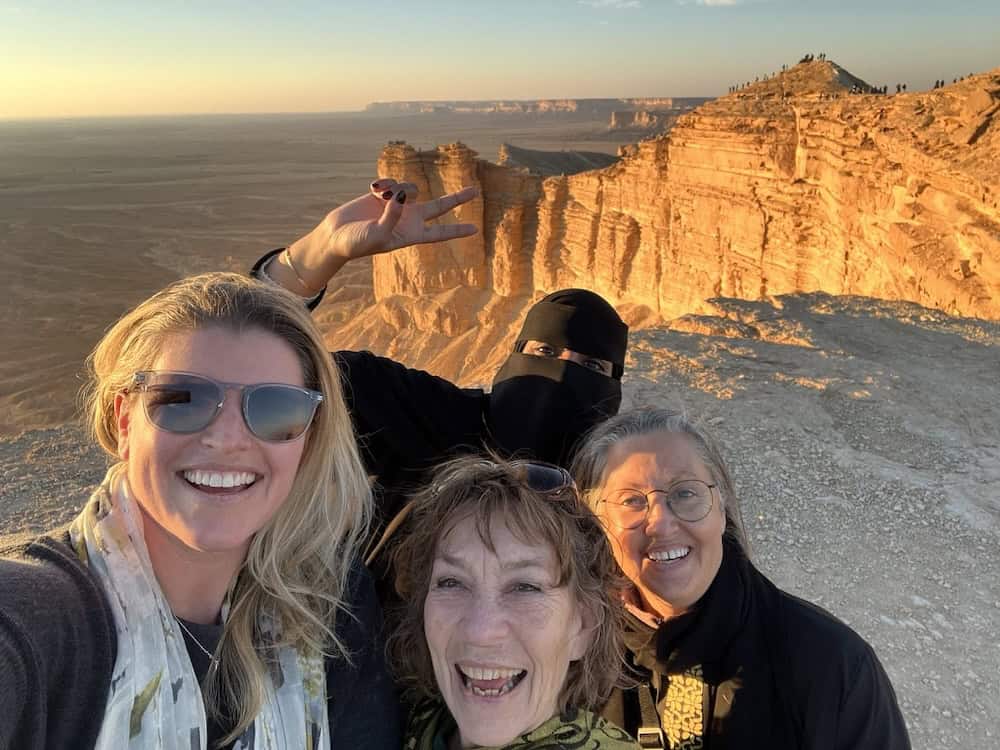
But the most spectacular day for me, with Riyadh as our home base, was our trip to Jebel Fihrayn, “The Edge of the World.” The bumpy dirt road was a small price to pay for an afternoon and sunset amid dramatic cliffs. Shirley and I climbed one of the rock peaks—gorgeous views all around, though looking down was definitely a bit daunting!
Journeying Through the Heart of Saudi Arabia
Traveling from Riyadh to Buraydah, we traced ancient trade routes across vast desert plains, passing traditional circular farm fields and exploring historic mud villages like Ushaiger. As our driver navigated the open roads, we filled the hours with lively conversation—discussing everything we could think of: religion, Saudi history, and how remarkable it is that the country only opened to tourism in 2019. By the time we reached Ha’il, we already felt more connected to the place. Hilltop forts and historic palaces offered panoramic desert views that brought centuries of Bedouin tradition to life, while local heritage museums provided a fascinating glimpse into daily life through the ages.
Jubbah: Ancient Neolithic Rock Art in Ha’il
We then traveled to Ha’il by train from Buraydah, and while the train itself was state-of-the-art, what impressed us even more was the train station. It functioned much like an airport, complete with bag drop, check-in counters, and organized boarding, making the journey smooth and efficient. The modern facilities were a striking contrast to the historic landscapes we were about to explore.
One of the most fascinating stops on our journey was Jubbah, in the Ha’il region. Shirley, our leader and anthropologist, could hardly contain her excitement as we explored some of the best and oldest examples of Neolithic rock art in the world. Carved into sandstone cliffs, these inscriptions and petroglyphs date back over 9,000 years, offering a vivid glimpse into the lives, animals, and rituals of prehistoric communities. Standing among these ancient images, it was incredible to think how much history has endured in this stark desert landscape.


Al-Ula: Desert Landscapes and Nabataean Treasures
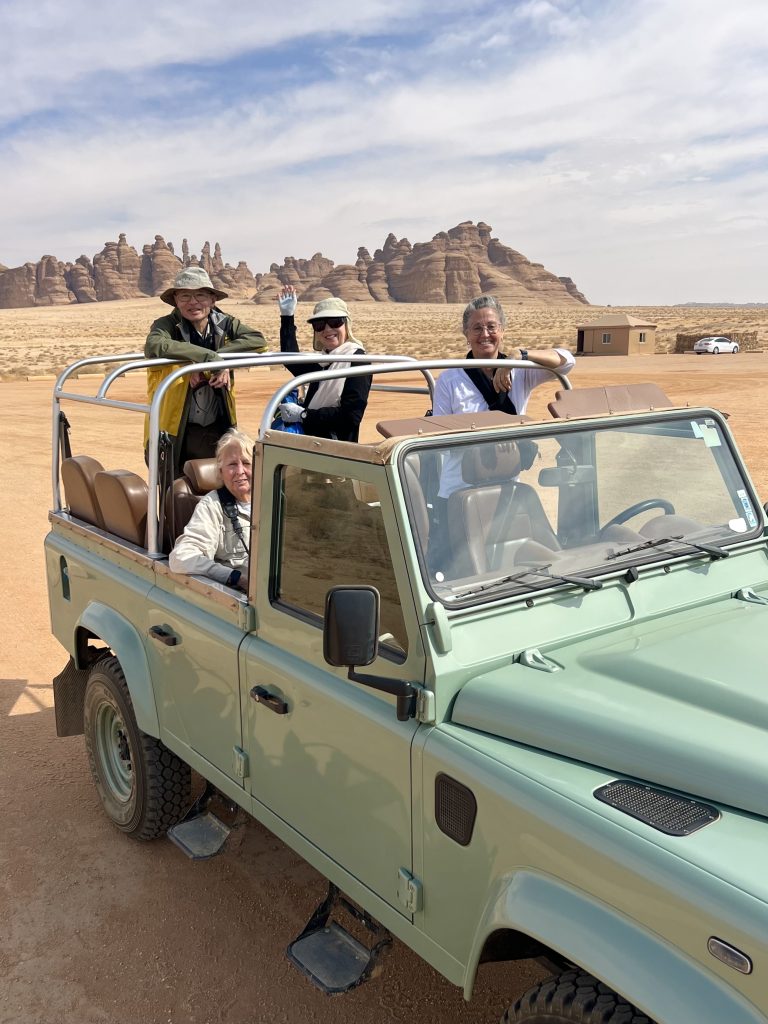
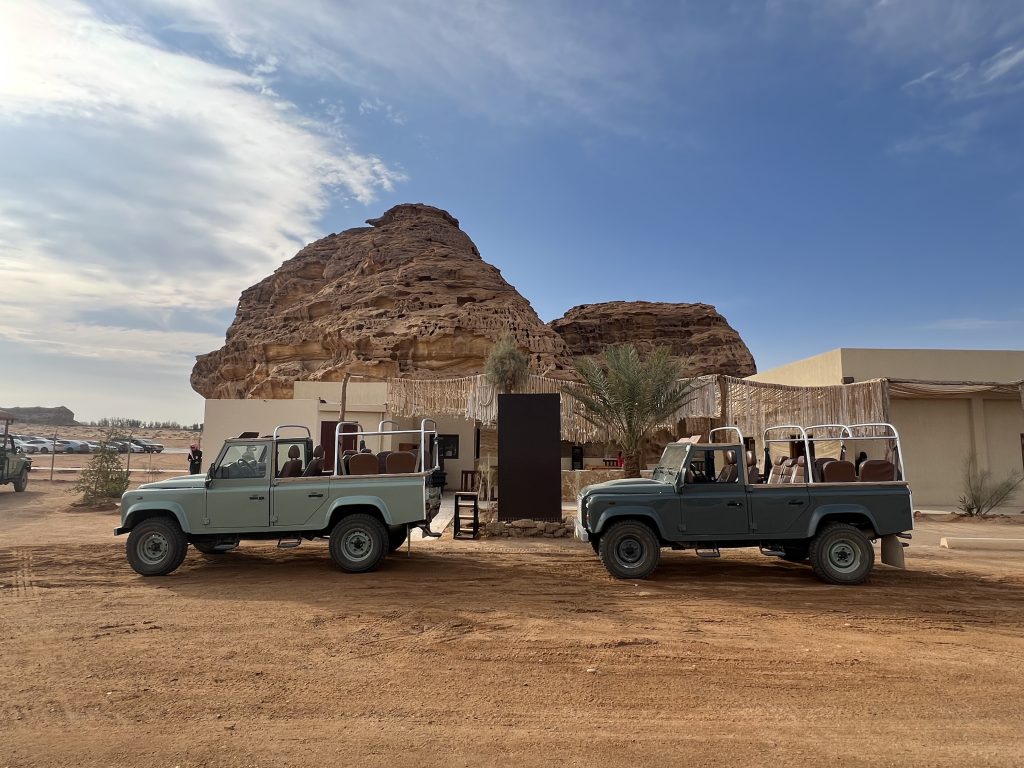
The UNESCO World Heritage site of Al-Ula was one of the true highlights of our journey. Sunset at Elephant Rock (Jabal Al Fil) cast a golden glow across the desert, while off-road 4×4 adventures led us through hidden canyons and ancient tombs that revealed the region’s rugged beauty and deep history.
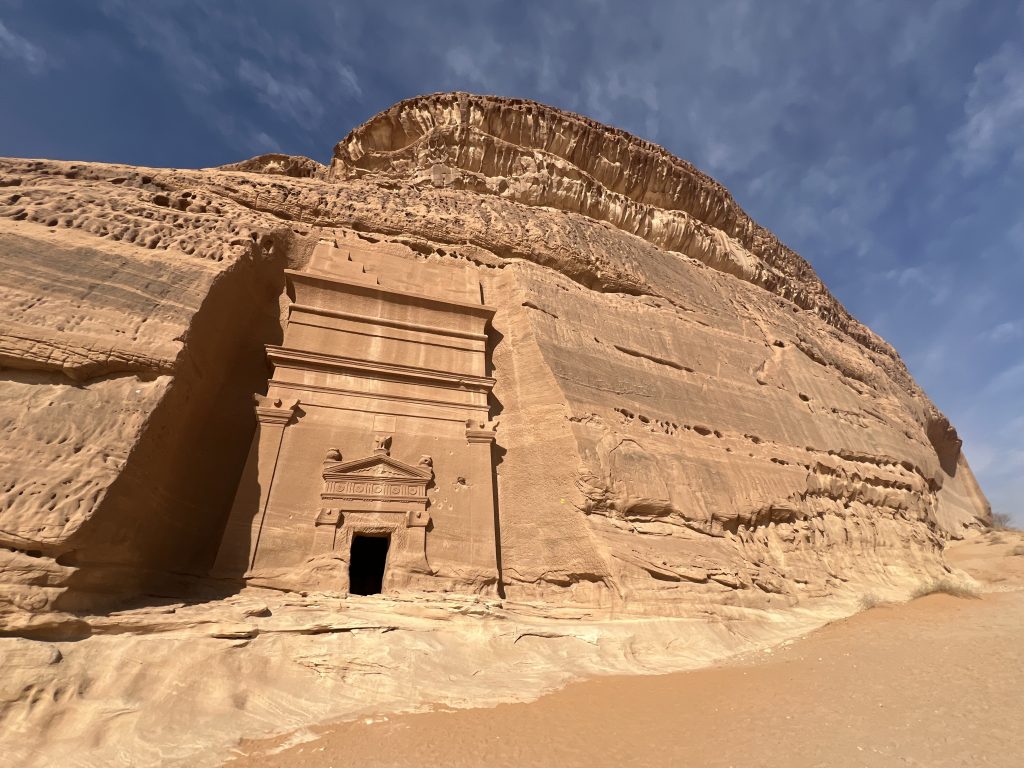
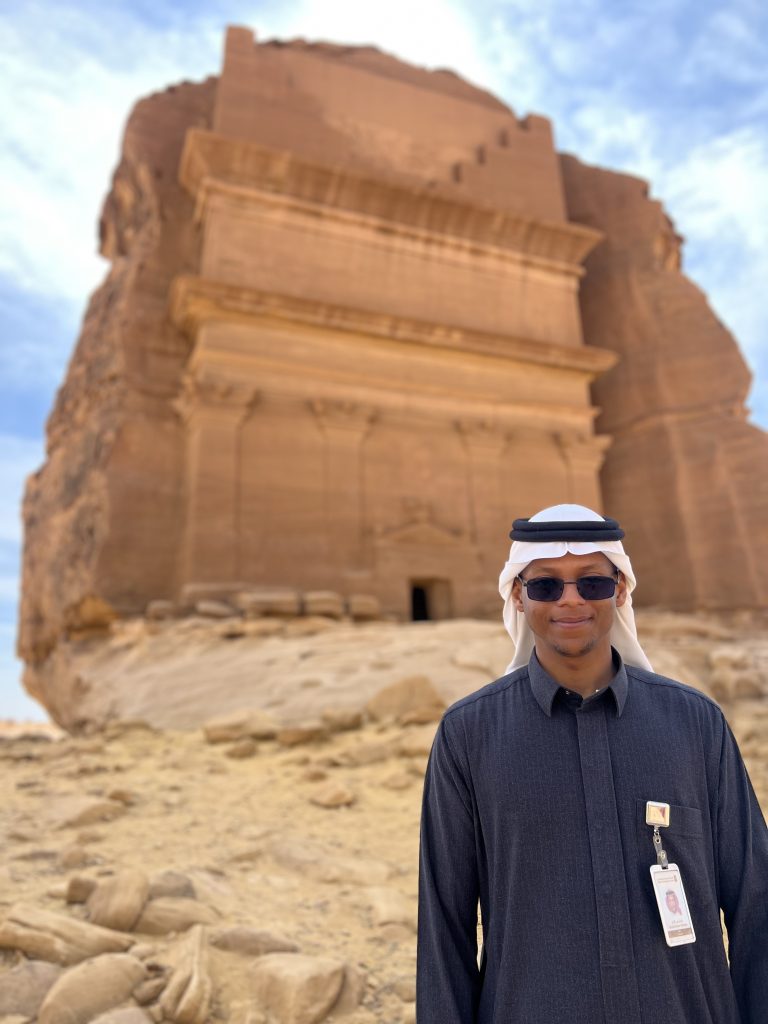
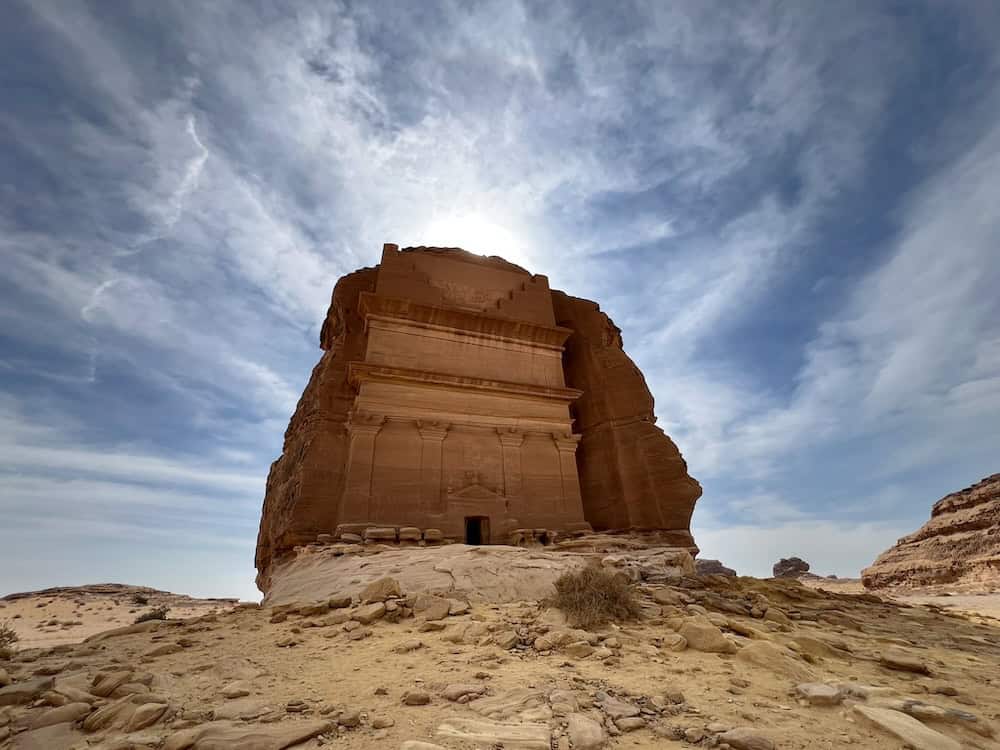
But if one place captured my imagination above all others, it was Hegra, the southern Nabataean capital. Wandering among more than 100 monumental tombs carved into sandstone cliffs was simply awe-inspiring. Each intricately detailed façade tells a story, and our local guide brought the site vividly to life with fascinating insights into the Nabataeans and the world they once inhabited.
Al-Ula’s Old Town was absolutely enchanting—anyone who knows me knows I love a charming town. We wandered through the pedestrian streets, poking through shops and galleries, and stopped at WaCafe, a tiny coffee shop with a cozy charm. There, we tasted the best cookie of our lives—a moist date-sweetened Hasawi cookie, flavored with traditional local spices and served warm right out of the oven. I will forever be dreaming about that cookie. So after stocking up on a tin of cookies each, we ended the evening with a delightful dinner in the heart of the Old Town.
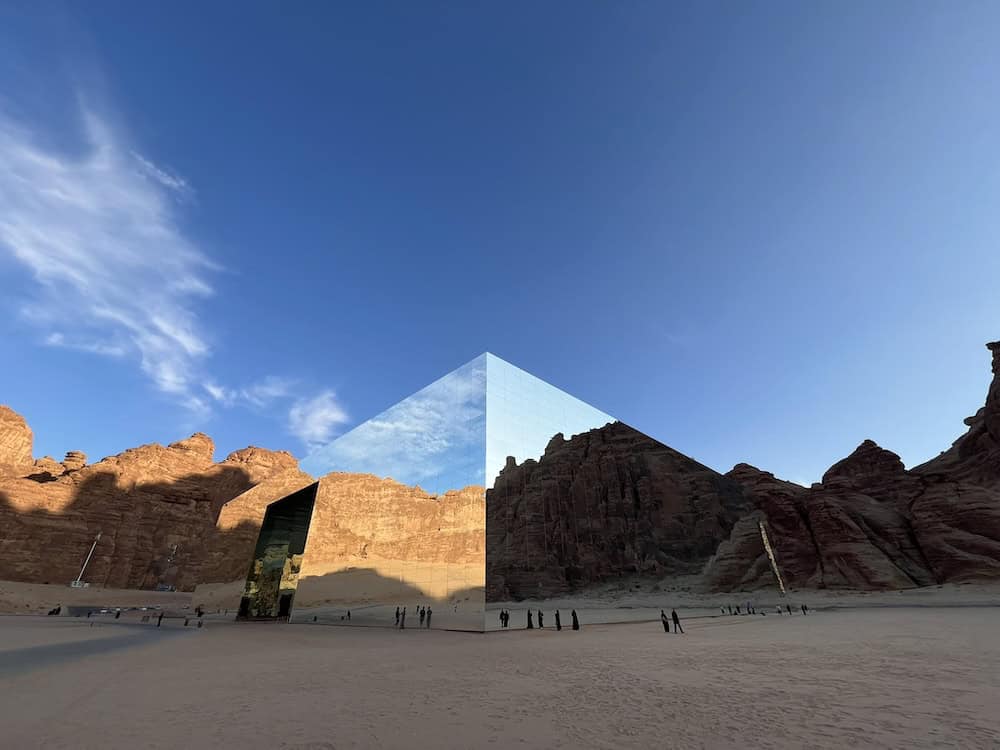
A surprising highlight of Al-Ula was the Maraya Theater, an architectural marvel that seems to emerge seamlessly from the desert landscape. Designed by Milan-based studio Giò Forma, the building’s mirrored exterior reflects the surrounding sandstone cliffs and shifting light. Covered in nearly 9,740 m² of glass, the structure holds the Guinness World Record for being the largest mirrored building in the world. Walking around the theater, we were captivated by how the building both blends with and transforms its environment, offering a modern contrast to the ancient wonders of Al-Ula.
Medina: Spiritual Landmarks and Sacred Sites
On the drive into Medina from Al Ula, our local guide led a question-and-answer session, providing thoughtful answers to many of our questions about Mecca, the pilgrimage, and Islamic traditions—giving us valuable context before arriving.
Once in Medina, we explored the exterior of the Prophet’s Mosque (Al Masjid an Nabawi), which is the second-holiest site in Islam and holds profound spiritual and historical significance. It is important to note that the Prophet’s Mosque is off-limits to non-Muslims, and non-Muslim visitors are not permitted to enter the mosque or certain areas of Medina. However, walking around its majestic courtyard and seeing the Green Dome from the outside was awe-inspiring.
We also visited the Museum of the Prophet’s Biography, which offered fascinating insights into the life of the Prophet Muhammad and the early history of Islam.
From Mount Uhud, we enjoyed sweeping panoramic views of the city and surrounding landscapes, reflecting on the historical events that unfolded there and the enduring cultural and spiritual importance of this sacred site.
Jeddah and the Red Sea
Our journey concluded in Jeddah, the second largest city in Saudi Arabia and the principal gateway to Mecca. On the train ride into the city, we traveled alongside pilgrims heading to Mecca, offering a fascinating glimpse into the religious pilgrimage.
A few members of our group spoke with a young woman from Java, traveling with her mother. It was her third time visiting Mecca, and we swapped stories—many of us had visited Java previously—which made for a lively and memorable conversation.
That evening, we strolled along the corniche, with the world’s tallest fountain illuminating the skyline—a perfect way to take in the city’s energy.
The following day, we enjoyed a dip in the Red Sea, refreshing ourselves in the warm waters. The highlight of Jeddah for me was exploring Al Balad, the UNESCO-listed Old Town, with its centuries-old architecture, narrow streets, and traditional wooden Roshan windows, brimming with shops, markets, and historic charm.
A Culinary Journey
Food in Saudi Arabia was a highlight in itself. From rich dips and flavorful spreads to freshly prepared local dishes, every meal offered a delicious taste of the Kingdom’s culinary traditions—perfect for anyone who enjoys bold and unique flavors.

Dressing for Respect and Comfort
Throughout our journey, we dressed modestly and comfortably to honor local customs and the sacred sites we visited. As a female traveler, I typically wore long pants paired with long shirts or dresses, mostly in lightweight linen—perfect for staying cool and comfortable in the desert environment. While the heat wasn’t extreme during our visit, breathable fabrics made sightseeing more enjoyable.
Our local guide provided abayas and hijabs, though some guests chose to bring their own. In Medina, we wore them as a sign of respect for the sacred sites. Throughout the trip, modest clothing was recommended, and abayas were sometimes added when visiting public or religious sites to ensure everyone felt comfortably and appropriately dressed.
Experience Saudi Arabia with Dr. Shirley Campbell & Miru Adventures
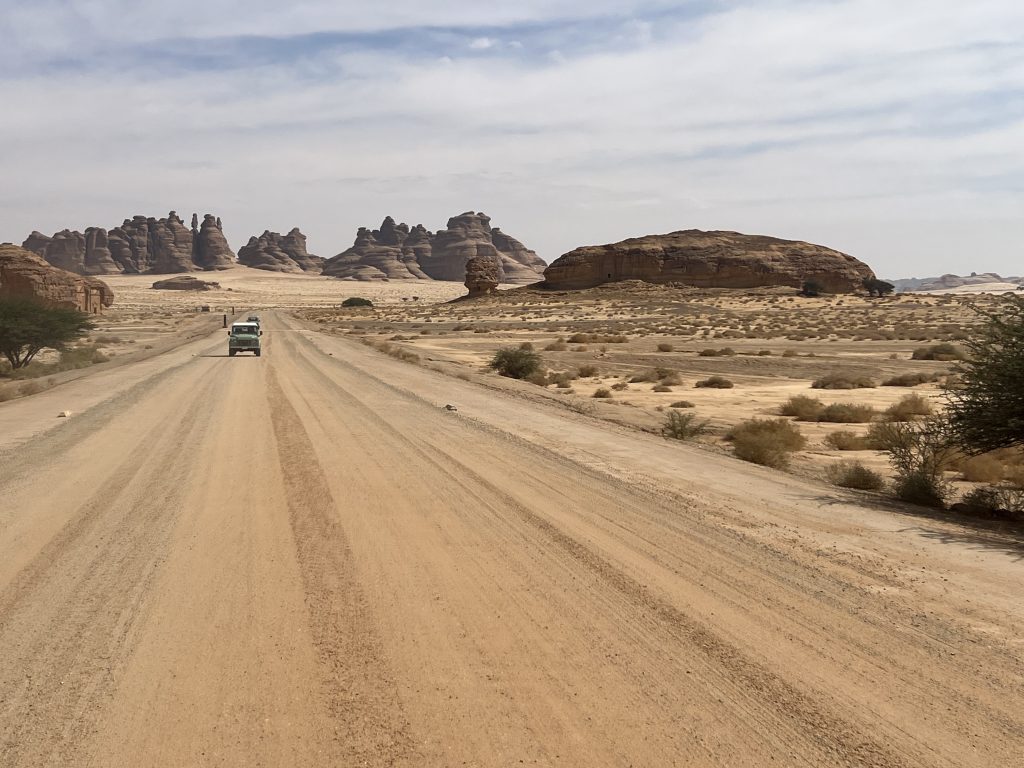




From desert cliffs to Nabataean tombs, bustling markets to serene oases, Saudi Arabia offers a wealth of unforgettable experiences. This journey blends culture, history, and natural beauty for travelers seeking immersive adventures. With curated excursions, expert guides, and exclusive access to UNESCO sites and hidden gems, Miru Adventures ensures an experience that is authentic, extraordinary, and unforgettable.
Traveling with Shirley Campbell as our trip leader made the journey especially rich. An anthropologist specializing in the anthropology of art, Shirley brings a deep understanding of how people express their ideas and culture through art, architecture, and daily life. With more than three decades of research and teaching, she provides insightful perspectives on history, heritage, and human societies, delighting in sharing these insights to give travelers a deeper appreciation of the places we visit and the stories they hold.