22 Destinations Perfect for Solo Travel Adventures

Last Updated on November 25, 2025 by Amylee Silva
There’s a particular kind of freedom that comes with solo travel. It’s the ability to linger, to change plans on a whim, to say yes to an unexpected invitation. It’s travel stripped down to its purest form: just you and the world, moving at your own pace.
Solo travel has become a defining shift, with women leading the charge, making up 71% of all solo travelers. Their priorities? Hiking, cultural journeys, and historic site exploration.
So the question is no longer whether to go alone, it’s simply where to go. The best solo destinations strike a delicate balance: safe enough to wander freely, social enough to connect when you want to, and compelling enough to make every moment feel purposeful. Here are 22 destinations that get it right.
Top Solo Trip Travel Destinations
1. Japan
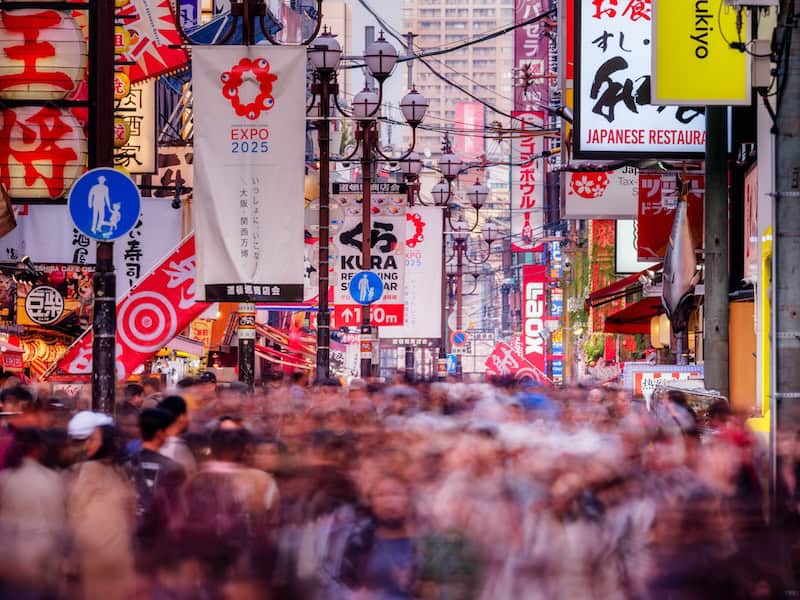
Japan might be the world’s most perfectly designed country for solo travel. Known for its safety and efficient public transportation Japan’s infrastructure is flawless, the crime rate is negligible, and there’s a deep cultural respect for solitude that makes eating alone feel completely natural rather than conspicuous.
Start in Tokyo, where you can lose yourself in the organized chaos of Shibuya, find serenity at Meiji Shrine, or spend an entire evening exploring a single neighborhood’s izakayas. Then head to Kyoto for temple gardens and tea ceremonies, or venture to the Japanese Alps for onsen towns where the art of being alone is celebrated as part of the experience.
Best for: First-time solo travelers, culture seekers, and foodies.

2. New Zealand
New Zealand has perfected independent adventure. The country is compact enough to navigate easily, safe enough to explore confidently, and filled with other solo travelers following the same well-worn path from North Island’s geothermal wonders to the South Island’s dramatic fjords.
When you want solitude, New Zealand delivers. Empty beaches, silent trails, starry skies far from any light pollution. Craving adventure? Maybe you’ll find yourself bungy jumping in Queenstown, hiking the Milford Track, or simply road-tripping the coastal routes.
Best for: Adventure seekers, hikers, and nature lovers.

3. Portugal
Portugal has quietly become Europe’s most welcoming destination. The locals are warm without being intrusive, English is widely spoken, and the pace of life encourages loitering over coffee or wine.
Lisbon’s city center offers urban energy, while Porto provides a more intimate setting for meeting fellow travelers over port wine tastings. The Algarve, located in the southern region of Portugal, delivers beach towns where you can surf by day and join communal dinners by night.
Portugal is ranked as the seventh-safest country in the world and is also known for its hospitality towards solo travelers. The cost of travel here remains refreshingly reasonable compared to the rest of Western Europe, and the country’s compact size means you can cover significant ground without exhausting yourself.
Best for: Culture lovers, wine enthusiasts, and budget-conscious luxury travelers.

4. Galapagos Islands, Ecuador
The Galapagos is a rare destination where solo travel actually enhances the experience. Small expedition ships create instant communities. Sharing zodiac landings with the same dozen travelers while comparing wildlife sightings over dinner.
The structure of expedition cruising removes the logistical burden that can make solo travel exhausting. Everything is arranged, and local guides lead you through each landing, enhancing your experience with expert knowledge and ensuring safety during activities. The intimate ship size means you’re never navigating social situations in massive crowds. Yet you still have autonomy over how you spend your time: snorkeling while others kayak, reading on deck while others chat at the bar.
The wildlife here doesn’t care if you’re alone or in a group, it’s equally extraordinary either way. This is pure natural wonder, experienced at your own emotional pace.
Best for: Wildlife enthusiasts and photographers.
5. Iceland
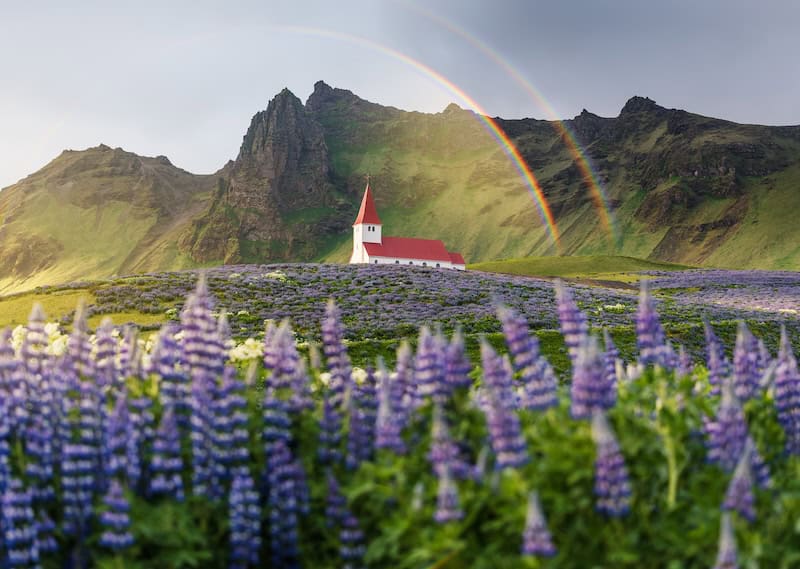
Iceland’s landscape is so dramatic it demands contemplation. The country is exceptionally safe, easy to navigate (especially with a rental car), and filled with other travelers doing exactly what you’re doing: chasing waterfalls, soaking in hot springs, and pulling over every ten minutes because the scenery is too stunning to pass by.
The Golden Circle provides an easy introduction, but venture beyond it to find empty roads leading to steaming geothermal fields, black sand beaches, and ice caves that feel like entering another world. In summer, the midnight sun keeps the day stretching endlessly; in winter, you’re hunting northern lights in the darkness.
Reykjavik punches above its weight for a small capital, with excellent restaurants, lively bars, and enough cultural offerings to fill several days. But it’s the wild landscape beyond that makes Iceland unforgettable for solo travelers—that feeling of being simultaneously tiny and expansive in the presence of such raw nature.
Why Iceland: Iceland has one of the lowest crime rates on the planet and is known for being peaceful and welcoming to solo travelers.
Best for: Road trippers with an adventurous spirit, aurora chasers and nature photographers.

6. Scotland
Scotland rewards slow, independent exploration. Whether you’re island-hopping through the Hebrides, hiking the West Highland Way, or simply spending rainy afternoons in Edinburgh’s bookshops and whisky bars with a good book as your travel companion, there’s a deep sense of welcome here that makes solo travel feel natural.
The pub culture facilitates easy conversation—sit at the bar, order a dram, and you’ll likely find yourself deep in discussion about everything from football to philosophy. The hiking trails range from gentle coastal walks to challenging Highland routes, all well-marked and accessible for solo adventurers.
Scotland’s guesthouses cater specifically to independent travelers, with communal areas designed for connection and hosts who genuinely care about making your trip memorable. And when you want solitude, the Highlands deliver it in abundance.
Best for: Hikers, whisky lovers, and history buffs

7. Costa Rica
Costa Rica pioneered the “adventure tourism with infrastructure” model, making it remarkably easy to experience wild nature independently. The country is safe, the buses are reliable, and English is widely spoken in tourist areas. You can book a zip-lining tour solo, join a group for volcano hiking, or simply show up at a beach town and figure it out as you go. Tip: Always let someone know your daily plans and keep emergency contacts handy for extra peace of mind.
The culture here embraces “pura vida”—pure life—which translates to a relaxed, welcoming attitude toward travelers. The biodiversity is staggering: sloths and toucans in the cloud forests, sea turtles nesting on Caribbean beaches, whales breaching off the Pacific coast.
Best for: Eco-conscious travelers, adventure seekers, and beginner surfers.

8. Vietnam
Vietnam hits the sweet spot of exotic enough to feel adventurous, accessible enough to navigate confidently. The solo travellers trail from Hanoi to Ho Chi Minh City is well-established, which means excellent accomdations, easy transportation, and a constant stream of like minded travelers to join for street food tours or overnight train journeys.
But beyond the main route lies incredible depth: the terraced rice paddies of Sapa, the colonial charm of Hoi An, the limestone karsts of Halong Bay rising from emerald waters. The food alone justifies the trip—sitting on plastic stools slurping pho for breakfast, learning to make banh mi in cooking classes, and discovering local food traditions that let you engage deeply with Vietnamese culture, drinking egg coffee in Hanoi’s Old Quarter.
Vietnamese culture is curious and welcoming, particularly in smaller towns where locals are genuinely interested in chatting. The cost of travel remains relatively low, meaning you can stretch your budget for weeks of exploration.
Best for: Foodies, photographers, and travelers comfortable with organized chaos.
9. Norway
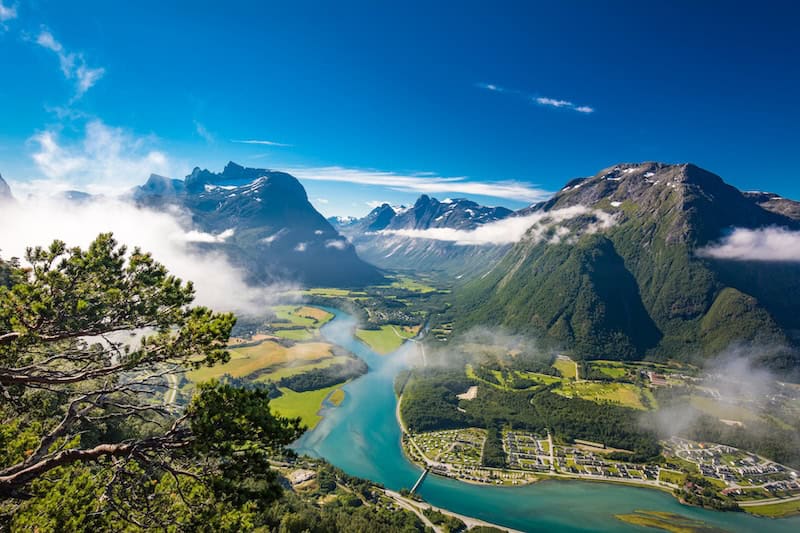
Norway’s combination of stunning natural beauty and impeccable safety makes it ideal for solo exploration. The country’s infrastructure is designed for independence: reliable trains, well-marked hiking trails, and a culture that values self-reliance and outdoor adventure.
The fjords deliver some of Earth’s most dramatic scenery. Thousand-foot cliffs plunging into deep blue waters, waterfalls cascading from impossible heights, villages that seem suspended between mountain and sea. You can hike independently along trails like Preikestolen (Pulpit Rock) or join group tours for glacier walking and kayaking. Many guided walking tours and accommodations in Norway offer options for solo travelers to avoid paying a single supplement, either by sharing a room with another or by providing private rooms without extra cost.
Bergen offers an accessible base with its colorful wharf houses and fish markets, while the Lofoten Islands provide remote beauty for travelers seeking solitude. In summer, the midnight sun keeps the adventure going around the clock; in winter, you’re positioned perfectly for northern lights viewing.
Best for: Hikers, aurora hunters, and nature photographers.

10. Slovenia
Slovenia is small, safe, stunning, and still relatively undiscovered, the perfect combination for traveling solo. The entire country feels like Europe’s best-kept secret: alpine lakes, Venetian coastal towns, limestone caves, and medieval castles, all within a few hours’ drive of each other.
Ljubljana, the charming capital, offers a walkable city center, an excellent food scene, and that rare quality of feeling vibrant without being overwhelming. When staying in Ljubljana or Lake Bled, choosing the right hotel room can make a big difference, offering comfort, safety, and convenient access to the main sights. Lake Bled provides the iconic scenery (castle on a cliff, church on an island, emerald water all around), while Lake Bohinj offers the same beauty with fewer crowds.
The outdoor activities are exceptional. Hiking in Triglav National Park, cycling through wine country, kayaking on the Soča River. And the Slovenian approach to hospitality is warm without being intrusive, making it easy to connect with locals or enjoy solitude as the mood strikes.
Best for: First-time solo visitors to Europe and outdoor enthusiasts seeking value and beauty.

11. Tanzania
African safaris might seem designed for groups, but Tanzania’s small group expeditions create perfect opportunities for solo travelers to experience one of Earth’s great wildlife spectacles. The structure of safari travel – guided game drives, communal meals, evening campfires, naturally facilitates connection while removing the logistical burden of navigating independently. Having a knowledgeable tour guide on these guided game drives not only ensures safety and expert wildlife spotting but also enriches the experience with local insights and personalized recommendations.
The Serengeti delivers the classic safari experience: lions lounging in golden grass, wildebeest migrations stretching to the horizon, elephants silhouetted against acacia trees at sunset. The Ngorongoro Crater provides the world’s largest unflooded volcanic caldera, packed with wildlife. And Zanzibar’s spice-scented Stone Town and pristine beaches offer the perfect bookend to safari adventures.
Best for: First-time safari-goers, wildlife enthusiasts, and photographers.

12. Canada
Canada combines vast wilderness with urban sophistication, giving solo travelers the best of both worlds. The cities Vancouver, Toronto, and Montreal are safe, diverse, and filled with a wide range of hotels, from budget hotels to boutique hotels, offering comfortable and secure accommodation options. Hotel stays can provide added amenities and the opportunity to meet other travelers in common areas, making them a convenient choice for those traveling alone. The natural landscapes: the Rockies, the coastlines, the northern wilderness, provide endless opportunities for independent adventure.
The Canadian approach to hospitality is genuinely welcoming without being overwhelming. People are helpful when you need it and respect your space when you don’t. The country’s multicultural makeup means you’re exposed to incredible food scenes and diverse perspectives in every major city.
Road trips work exceptionally well here, whether you’re driving the Icefields Parkway between Jasper and Banff, exploring Vancouver Island’s rugged coastline, or seeking northern lights in the Yukon. Wildlife encounters range from whale watching to potential grizzly bear sightings in the backcountry (from a safe distance, with proper guidance).
Best for: Road trippers, city and nature lovers, travelers seeking diverse cultural experiences without language barriers.

13. Morocco
Morocco represents a more challenging but deeply rewarding solo destination. The sensory overload of the souks, the call to prayer echoing across medieval medinas, and the endless cups of mint tea offered by carpet sellers is simultaneously disorienting and enchanting.
Solo travel here requires more awareness and confidence, but the rewards are significant. Marrakech’s Jemaa el-Fna square pulses with energy at night: snake charmers, storytellers, food stalls selling snail soup and grilled meats. Fes offers the world’s largest car-free urban area, a maze of alleyways where you’ll absolutely get lost (and that’s part of the experience). The Sahara delivers camel treks and nights in desert camps under impossibly star-filled skies.
Many solo travelers join small group tours for portions of their trip, particularly for Sahara excursions or Atlas Mountain treks, which provide built-in companions and local expertise while maintaining overall independence.
Best for: Culture seekers and confident travellers ready to step outside their comfort zone.

14. Indonesia (Wakatobi)
Indonesia’s vast archipelago offers endless possibilities for solo adventure, but Wakatobi stands out as a particularly compelling destination for snorkeling and diving enthusiasts seeking both world-class underwater experiences and the social structure of a specialized resort.
Wakatobi Resort, perched on the edge of the Coral Triangle, provides the perfect base for communal dining that encourages connection with fellow guests, expert dive guides who facilitate small group experiences, and access to some of Earth’s most pristine coral reefs. The resort structure removes logistical complications while preserving independence. You’re free to dive or snorkel on your own schedule, but supported by infrastructure and expertise.
The underwater world here is extraordinary: house reefs accessible by simply walking off the beach, walls that plunge into deep blue, and marine life diversity that rivals anywhere on Earth. Above water, the Bajau sea nomad culture and uninhabited island beaches provide cultural and scenic exploration.
Beyond Wakatobi, Indonesia offers Bali’s yoga retreats and rice terraces, Komodo dragon encounters, and Java’s volcanic landscapes, all navigable for solo travelers with varying comfort levels.
Best for: Divers and snorkelers, marine life enthusiasts, travelers seeking luxury with adventure.
Upcoming trip alert: Miru Adventures’ Indonesia & Wakatobi Island: A Snorkel and Dive Adventure combines the intimacy of small group travel with the freedom of independent exploration. Departing August 2026.

15. India
India is not for the faint-heart, but for those ready for its intensity, it delivers transformation. The key is choosing your regions wisely and traveling with purpose and awareness. Having a detailed travel plan ensures you make the most of your itinerary, stay safe, and enjoy a smoother experience, especially when navigating such a vast and diverse country.
Ladakh, often called “Little Tibet,” offers a more accessible introduction to Indian travel: high-altitude desert landscapes, ancient Buddhist monasteries, and trekking routes through Himalayan valleys. The region’s remoteness and cultural distinctiveness make it feel removed from the chaos of lowland India, while the infrastructure for independent travelers is well-established.
Kerala in the south provides another solo-friendly entry point: backwater houseboat cruises, Ayurvedic retreats, and a more relaxed pace of life. Rajasthan delivers the classic India experience of forts, palaces, desert caravans, with tourist infrastructure that supports independent exploration.
India rewards travelers who embrace its contradictions: the sacred and the chaotic, the ancient and the modern, the overwhelming and the serene. Solo travel here often involves joining group tours for certain segments (tiger tracking in national parks, for instance) while maintaining independence for urban exploration and cultural immersion.
Best for: Experienced solo travelers, spiritual seekers, adventure travelers comfortable with complexity, and those seeking deep cultural immersion.

16. Abu Dhabi, United Arab Emirates
Abu Dhabi offers a fascinating blend of cutting-edge modernity and deep cultural tradition, all wrapped in a framework of exceptional safety and hospitality. The UAE consistently ranks as one of the safest destinations for solo female travelers, with well-lit streets, reliable public transportation, and a culture that emphasizes guest protection.
The city’s infrastructure is designed for ease: the metro connects key attractions, English is widely spoken, and luxury is accessible at various price points. Explore the breathtaking Sheikh Zayed Grand Mosque at your own pace, lose yourself in the Louvre Abu Dhabi’s art galleries, or spend an afternoon wandering the traditional souks where spice vendors and gold merchants welcome conversation.
What makes Abu Dhabi particularly appealing is its ability to deliver authentic cultural experiences within a comfortable, westernized framework. You can venture into the desert for dune bashing and Bedouin-style dinners, knowing you’ll return to world-class hotels with all the amenities. The city respects both traditional values and modern independence, creating space for solo women to explore confidently while engaging with Emirati culture.
Best for: First-time solo travelers to the Middle East and luxury seekers.

17. Thailand
Thailand has perfected the art of welcoming independent travelers for decades. The country’s well-established backpacker infrastructure means hostels designed for connection, tours organized for solo joiners, and a constant stream of other travelers following similar routes. But Thailand isn’t just for budget backpackers, luxury resorts and boutique hotels equally understand the solo traveler market.
The diversity here is remarkable: Bangkok’s frenetic energy and rooftop bars, Chiang Mai’s temple-filled old city and cooking schools, the southern islands’ beach parties and diving schools, and northern hill tribe villages accessible via organized treks. Each region offers distinct experiences, and the transportation network makes moving between them remarkably easy.
Thai culture’s warmth toward visitors is genuine, not just tourism marketing. The concept of “sanuk” (fun, pleasure, enjoyment) permeates Thai life, creating an atmosphere where visitors feel welcomed rather than conspicuous. Street food culture particularly embraces solo dining. Some of the country’s best meals happen at plastic tables on sidewalks where you’re eating alone but never lonely.
Why Thailand? Thailand is known for its friendly people and low crime rates against tourists, making it a safe destination for solo travelers.
Best for: Budget travelers, foodies, beach lovers, digital nomads, first-time solo adventurers wanting a supportive environment.

18. Botswana
Botswana represents the premium end of African safari travel, and its small-group safari structure makes it exceptionally well-suited for solo adventurers. The country’s commitment to low-impact, high-value tourism means smaller camps, expert guides, and wildlife experiences that feel genuinely wild rather than staged.
The Okavango Delta delivers one of Earth’s most extraordinary ecosystems: water spreading across the Kalahari Desert, creating channels navigable by mokoro (traditional dugout canoe) and islands packed with elephants, lions, and countless bird species. Chobe National Park offers some of Africa’s highest concentrations of elephants, while the remote Makgadikgadi Pans provide stark, otherworldly beauty.
Botswana safaris operate in intimate groups often with just six to eight guests sharing game drives, bush walks, and sundowners around the campfire. The shared awe of witnessing a leopard in a tree or a pride of lions on a kill creates instant bonds. Yet there’s also space for solitude: private tent verandas overlooking waterholes, quiet moments watching hippos from your mokoro, morning coffee alone before the day’s activities begin.
Why Botswana? Crime rates in Botswana are very low, making it a safe destination for solo travelers. The country’s political stability, well-regulated tourism industry, and high standards of safety make it one of Africa’s most accessible countries for independent travelers wanting authentic wilderness experiences.
Best for: Wildlife photographers and safari enthusiasts.

19. Corfu, Greece
Corfu offers a gentler introduction to Greek island life than some of its more party-focused neighbors. This Ionian island combines Venetian architecture, olive groves stretching to the horizon, turquoise waters, and a relaxed pace that welcomes wandering without the intensity of islands like Mykonos or Santorini.
Corfu Town’s UNESCO-listed old quarter invites aimless exploration: narrow streets opening onto sunny plazas, family-run tavernas where you’ll be welcomed, and a fortress offering sunset views over the Adriatic. The island’s beaches range from organized strips with loungers to hidden coves accessible only on foot, ideal for solitude.
The walking culture here is well-established. Join organized walks or pick up a map and set out independently. The island is safe, the locals are helpful, and getting pleasantly lost is part of the experience. The shoulder seasons (May-June and September-October) offer ideal weather conditions, fewer crowds, and prices that make longer stays feasible.
Greek hospitality, or “philoxenia,” is genuine in Corfu. Solo diners aren’t shuffled to corner tables but welcomed warmly, often with complimentary desserts and extended conversations about where you should visit next.
Why Corfu? Corfu is known for its low crime rates and friendly people, making it a safe place for solo travelers.
Best for: Solo travelers seeking Mediterranean beauty without overwhelming crowds, walkers and hikers, culture enthusiasts, those wanting an accessible Greek island experience.

20. Latvia
Latvia flies under the radar of most travelers, which is precisely what makes it appealing. Riga, the capital, offers one of Europe’s most stunning Art Nouveau districts, a medieval old town that rivals Prague’s, and a thriving cafe culture where remote workers and travelers blend seamlessly.
Beyond Riga, Latvia reveals its quieter charms: the seaside town of Jūrmala with its wooden architecture and pine forests, Gauja National Park’s castles and hiking trails, and the Soviet-era history that’s preserved and interpreted with remarkable honesty. The country’s small size makes it easy to explore independently. Buses are reliable, English is widely spoken among younger locals, and the tourism infrastructure is developing thoughtfully.
Baltic culture tends toward reserved friendliness rather than effusive warmth, which many solo travelers appreciate. You’re left to your own devices but help is readily available when sought. The cafe scene particularly welcomes visitors, with books, good coffee, and that Nordic quality of “hygge” that makes being alone feel cozy rather than lonely.
Latvia remains remarkably affordable compared to Western Europe, meaning your budget stretches further for longer stays, better accommodations, and more cultural experiences. It’s Europe without the crowds or the prices.
Why Lativa? Riga in Latvia is reported to be safe for solo travelers, even when walking alone at night.
Best for: Budget-conscious travelers, history enthusiasts, those seeking off-the-beaten-path Europe, solo travelers who appreciate quiet exploration over social scenes.

21. Australia
Australia practically invented the modern backpacker trail, creating an infrastructure so well-suited to solo travel that it’s become the default first trip for countless independent adventurers. The combination of safety, English language, and Working Holiday visas for those who qualify makes Australia uniquely accessible.
The East Coast route from Sydney to Cairns is well-traveled for good reason: the Opera House and Harbour Bridge, Byron Bay’s surf breaks, the Whitsunday Islands’ white sand, and the Great Barrier Reef’s underwater spectacle. But Australia’s vastness offers endless alternatives: Western Australia’s remote coastlines and wildflowers, Tasmania’s rare wildlife and pristine wilderness, the Red Centre’s Uluru at sunset, and the tropical far north’s crocodile-filled rivers.
The Australian approach to solo travelers is refreshingly matter-of-fact. No one questions why you’re alone or treats independent travel as unusual. It’s simply how things are done, which creates an environment where being solo, feels entirely normal.
Why Australia? Australia is considered one of the safest places to travel, ranking second in the world for safety.
Best for: Gap year travelers and working holiday visa holders.

22. Austria
Austria offers the best of European culture. Imperial palaces, world-class museums, coffeehouses serving Sachertorte, and opera houses with standing-room tickets, wrapped in a framework of Germanic efficiency that makes travel remarkably easy. Vienna’s public transportation runs like clockwork, English is widely spoken, and the city’s cafe culture actively encourages people-watching.
Vienna itself rewards exploration: wander through the Kunsthistorisches Museum at your own pace, spend mornings in traditional coffeehouses with newspapers and pastries, or attend a Vienna State Opera performance where opera enthusiasts gather. The city’s intellectual tradition means dining solo or cafe-sitting feels sophisticated rather than lonely.
Beyond Vienna, Austria’s regions offer distinct experiences: Salzburg’s Sound of Music scenery and Mozart heritage, Innsbruck’s Alpine access, and smaller towns like Hallstatt (though increasingly crowded) that deliver storybook Austria. The country’s hiking infrastructure is exceptional. Well-marked trails, mountain huts offering meals and beds, and a culture that reveres mountain walking.
Why Austria? Austria is ranked fourth on the Global Peace Index, indicating a high level of safety for foreign travelers.
Best for: Classical music lovers, art and history enthusiasts, and hikers.
The Truth About Solo Travel for Solo Travelers
Solo travel isn’t about escaping connection, it’s choosing it. It’s saying yes to dinner with the couple from your snorkeling tour, joining the impromptu hike organized by the hotel, or simply smiling at a stranger in a cafe and ending up in a three-hour conversation about anything and everything.
It’s also about claiming the freedom to skip all of that. To spend an entire day reading by a lake. To change your plans without consultation. To follow your curiosity down whatever path it leads without compromise or negotiation.
These 22 destinations understand both sides of that equation. They provide the safety and infrastructure that makes solo travel feasible, the social opportunities that prevent isolation, and the depth of experience that makes the journey worthwhile.
Whether you’re taking your fiftieth trip, or making your travel dreams come true on your first solo adventure each of these destiantions offer something that only travelling alone can provide: the space to discover not just a place, but yourself within it.
The only question that remains is which country will you choose first?
11 No Nonsense Solo Travel Tips
- Learning a few key phrases in the local language can enhance the travel experience.
- Pack light but smart, including essentials like a portable charger and an eSIM.
- Always carry a charged portable power bank for your phone while traveling.
- It is advisable to inform your bank of travel plans to avoid having cards flagged for fraud.
- Travel insurance is important to cover unexpected issues like lost luggage or medical emergencies.
- Always have a detailed travel itinerary stored on your phone and on paper that includes hotel addresses, places to visit, opening times, and schedules.
- Dining alone can feel awkward, but you can make it enjoyable by finding quiet restaurants and bringing along something to read or write.
- Take photos of your hotel that include the street number and any other landmarks you might need.
- Use social media to connect with locals or other travelers who may be in the same area, enhancing your sense of community.
- Always update family or friends about your whereabouts when traveling solo to ensure someone knows your plans and can check in on you.
- Pack light to make your travel experience more pleasant and manageable, especially when handling luggage on your own.