Great & Small: Cities That Prove Size Isn’t Everything

Last Updated on January 24, 2026 by Amylee Silva
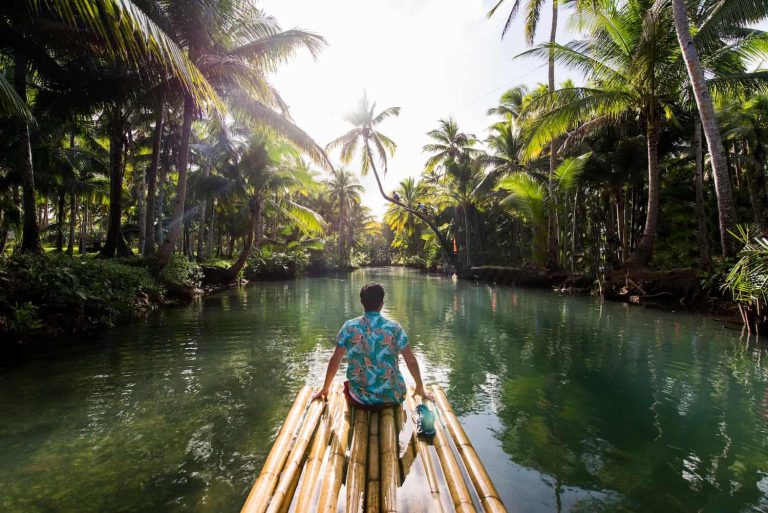
The world’s most memorable destinations aren’t always its largest. While megacities dominate travel headlines, a different breed of urban experience awaits in places where you can walk from historic quarter to waterfront in twenty minutes, where locals still outnumber tourists at morning markets, and where a city’s character reveals itself not through monuments alone but through the texture of daily life.
These small cities to visit in 2026, often with the intimacy of unmistakable small town charm, offer something increasingly rare: the chance to feel the personality of a place, not just pass through it.
Table of Contents
- Sao Tome, São Tomé & Príncipe
- Cebu City, Philippines
- Tbilisi, Georgia
- Fes, Morocco
- Nizwa, Oman
- Gilgit, Pakistan
- Essaouira, Morocco
- Naha, Japan
- Hobart, Tasmania, Australia
- Coimbra, Portugal
- Santander, Spain
- Petrolina, Brazil
- Victoria, British Columbia, Canada
- Keelung, Taiwan
- Puerto Ayora, Galápagos, Ecuador
São Tomé, São Tomé & Príncipe — Island-Time Living
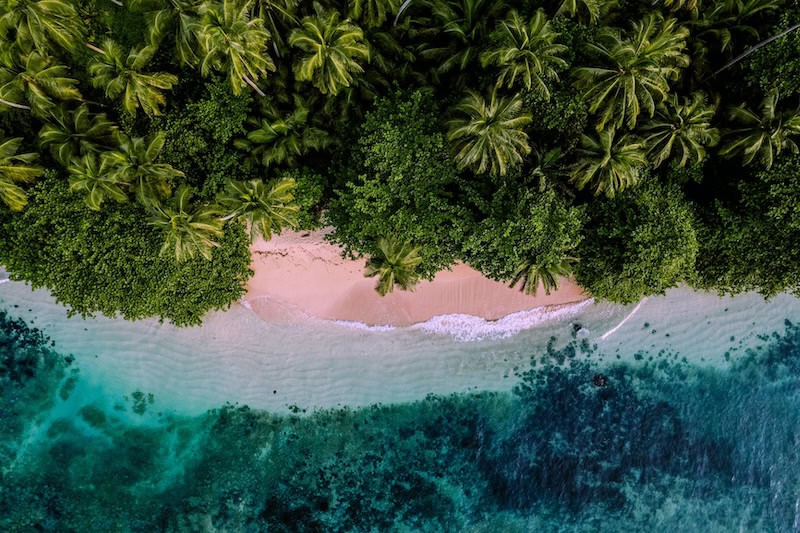
In the Gulf of Guinea, where the equator crosses prime meridian, São Tomé serves as the capital to one of Africa’s smallest nations—a volcanic island whose Portuguese colonial history left ornate facades now gently decaying in tropical humidity.
The city unfolds along a natural harbor where fishing pirogues still outnumber pleasure craft. Its core is a compact grid of pastel-colored buildings forming the city’s main street and historic downtown, anchored by a modernist cathedral and the presidential palace occupying the site of a sixteenth-century fort, all within easy walking distance.
Beyond the waterfront, cocoa plantations, roças in Portuguese, spread across the island’s interior, these vast estates now largely abandoned but hauntingly beautiful in their ruin, colonial-era processing buildings consumed by jungle. The beaches, however, remain pristine: Praia Lagarto just south of the city offers dark volcanic sand and body-surfable waves, while the island’s southern coast holds some of the Atlantic’s most isolated stretches.
Sao Tome’s appeal lies in its unhurried rhythm, the absence of mass tourism despite natural beauty that rivals better-known islands, and a culture shaped by African, Portuguese, and creole influences where lunch extends well into afternoon and conversations unfold at their own pace.
Cebu City, Philippines — Tropical Crossroads
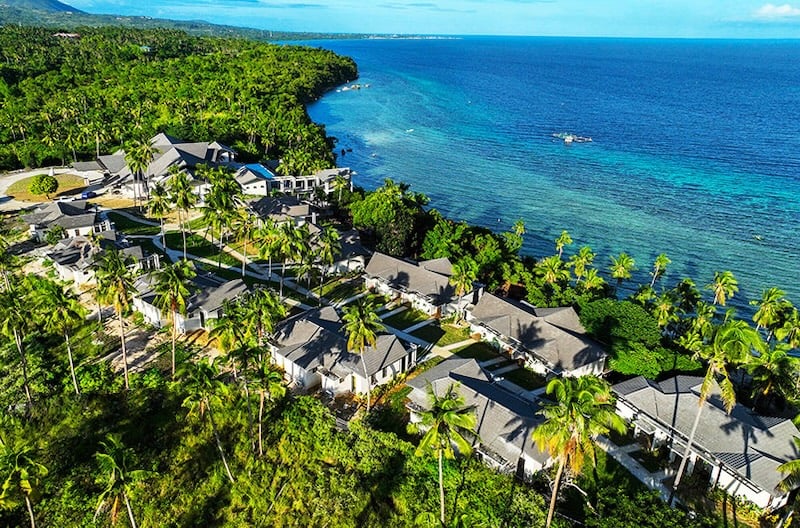
The Philippines’ oldest city and second-largest metropolitan area maintains surprising accessibility despite its size, functioning as both historic center and jumping-off point for island exploration throughout the Visayas. Magellan’s Cross, planted in 1521 to mark the archipelago’s first Catholic conversions, still stands encased in protective housing near the Basilica Minore del Santo Niño, the country’s oldest church. Fort San Pedro, the smallest and oldest Spanish fort in the Philippines, overlooks the harbor that has served as trading port for centuries.
But Cebu’s real draw extends beyond city limits: Mactan Island’s dive sites and beach resorts lie twenty minutes across the strait, while ferries depart daily for Bohol’s Chocolate Hills and tarsier sanctuaries, Malapascua’s thresher sharks, and Moalboal’s sardine runs. The city itself pulses with characteristic Filipino energy—jeepneys navigating chaotic traffic, street food vendors grilling pork belly on sidewalks, rooftop bars offering sunset views over Mactan Strait.
For travelers seeking Philippine culture and natural beauty without Manila’s overwhelming scale, Cebu provides urban infrastructure and island access in manageable proportion.
Tbilisi, Georgia — Creative Revival
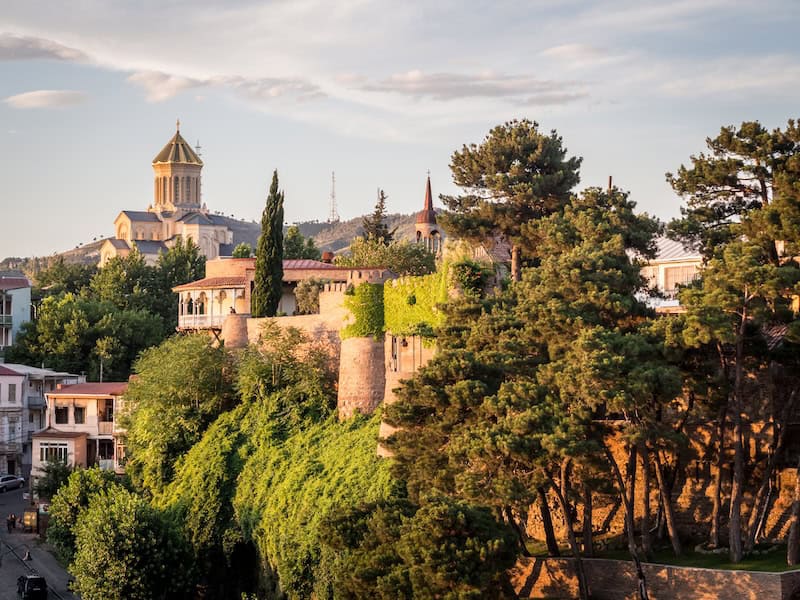
Georgia’s ancient capital straddles the Mtkvari River in a valley where Europe and Asia have historically collided, its layered history visible in Persian-style sulfur bathhouses, Russian imperial boulevards, Soviet-era apartment blocks, and a new wave of contemporary architecture and design. The Old Town’s wooden balconies overhang cobblestone lanes too narrow for cars, while cable cars ascend to Narikala Fortress, offering views across terracotta rooftops to the Caucasus Mountains beyond.
What distinguishes present-day Tbilisi is its creative energy. Wine bars pouring natural qvevri wines from amphora-aged vintages, contemporary art galleries occupying former industrial spaces, electronic music venues operating in courtyards and basements creating a vibrant arts scene. Georgian cuisine, always substantial, now appears in refined iterations alongside traditional khachapuri and khinkali. The city’s legendary hospitality tradition—supras extending late into night with toasts and polyphonic song—continues in both traditional and modern contexts.
Tbilisi rewards extended stay rather than brief stopover, its character emerging through accumulation of meals, conversations, and wandering rather than monument-ticking. The mountains, wine regions of Kakheti, and cave monasteries all lie within day-trip range.
Fes, Morocco — Medieval Medina
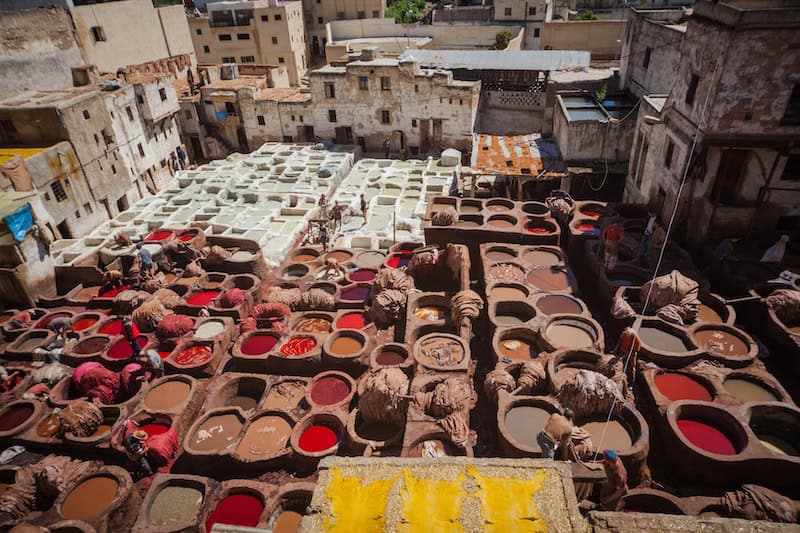
Morocco’s spiritual and intellectual capital preserves the world’s largest car-free historic district, a UNESCO World Heritage Site medina where donkeys still transport goods through passages too narrow for vehicles and artisan workshops practice crafts unchanged across centuries. The University of Al Quaraouiyine, founded in 859 CE, claims title as the world’s oldest continuously operating degree-granting institution. The Chouara Tannery’s stone vessels, filled with pigeon dung and vegetable dyes, cure leather using medieval techniques tourists photograph from surrounding terraces. For those interested in experiencing Morocco’s ancient traditions firsthand, several in-depth journeys are available.
Navigation requires either guide or tolerance for getting lost—the medina’s estimated nine thousand alleys follow no grid, their logic emerging from centuries of organic growth rather than planning. Artisan quarters specialize: metalworkers in one district, woodcarvers in another, spice merchants clustered near specific mosques. The call to prayer echoes from multiple minarets five times daily, momentarily pausing commercial activity.
Fes demands more of visitors than Morocco’s more accessible cities—the medina’s intensity, summer heat, and aggressive touts test patience—but rewards those willing to engage with a living medieval city rather than a preserved museum piece.

Nizwa, Oman — Desert Stronghold
At the base of Oman’s Hajar Mountains, Nizwa served as the country’s capital during various periods of Islamic rule, its massive seventeenth-century fort—featuring the largest tower in Oman—dominating the oasis town. The souk, one of the country’s oldest, operates much as it has for centuries: Friday livestock auctions draw Bedouin traders, silversmiths craft traditional khanjars (curved daggers), and date merchants sell dozens of varieties from surrounding palm groves.
Nizwa’s position makes it ideal base for mountain exploration. Jebel Akhdar’s terraced rose gardens and pomegranate orchards cling to slopes reached by dramatically engineered roads. Jebel Shams, Oman’s highest peak, offers canyon views often compared to a miniature Grand Canyon. Tanuf’s abandoned village and Birkat Al Mouz’s falaj irrigation system—UNESCO-recognized and still functioning—lie within easy reach.
The city itself maintains traditional character: mud-brick houses in surrounding villages, falaj channels distributing water through neighborhoods, and evening promenades along wadi beds when weather permits. For travelers seeking authentic Omani culture beyond Muscat’s modernity, Nizwa delivers historical substance and mountain access.
Gilgit, Pakistan — Mountain Gateway
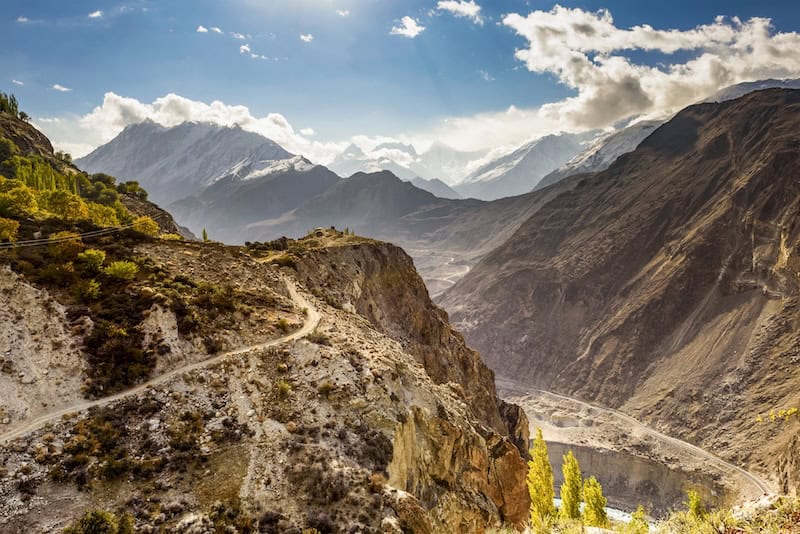
Where the Karakoram, Hindu Kush, and Himalayan ranges converge, Gilgit occupies a strategic valley position that has made it crossroads for millennia—ancient Silk Road caravans, modern overlanders on the Karakoram Highway, and trekkers preparing for expeditions into some of Earth’s highest mountains.
The city itself offers little architectural distinction, its character emerging instead from geographic drama and cultural diversity: Wakhi, Shina, and Burushaski languages spoken in surrounding valleys, polo matches played with passionate intensity, and bazaars stocked with Chinese goods trucked over Khunjerab Pass.
From Gilgit, the mountain world unfolds: Hunza Valley’s apricot orchards backed by 7,000-meter peaks, Nanga Parbat’s massive bulk visible from various viewpoints, and high-altitude roads leading deeper into the Karakoram, experiences central to our Northern Pakistan expedition. The journey itself, whether arriving by precarious flight threading through mountain valleys or days-long bus ride on the Karakoram Highway, establishes Gilgit’s frontier character.
This is not a city for amenities or comfort, but rather a place where mountain culture and geography dominate, where tea houses serve as information exchanges for climbing expeditions, and where the human settlement feels appropriately modest against the landscape’s overwhelming scale.

Essaouira, Morocco — Bohemian Coastal Charm
Where Morocco’s Atlantic coast curves northward, Essaouira rises as a laid-back coastal town behind eighteenth-century Portuguese fortifications, its whitewashed medina walls brilliant against blue water and sky.
The city has long attracted those seeking something apart from imperial cities’ intensity—artists drawn by particular coastal light, musicians who arrive for the city’s signature live music and cultural event, the annual Gnaoua World Music Festival, surfers riding consistent swells generated by trade winds that have shaped this harbor for millennia.
The medina unfolds in human-scaled proportions. Arched passageways connect workshops where craftspeople work thuya wood into intricate marquetry, their techniques unchanged across generations. The fishing port delivers its catch each afternoon delievering fresh seafood to a strip of grill stalls where sardines and sole sizzle over charcoal. Ramparts built to repel naval attacks now serve as sunset promenades, the old Portuguese cannons pointing seaward while visitors look back toward the medina’s blue-painted doors and window frames—a cooling visual response to Morocco’s desert heat.
Essaouira resists the frenetic energy of larger Moroccan cities. Its rhythm follows tides and wind patterns, its social life concentrated in riads and rooftop terraces where mint tea and conversation extend well into evening.
Naha, Japan — Crossroads of Ryukyu Culture
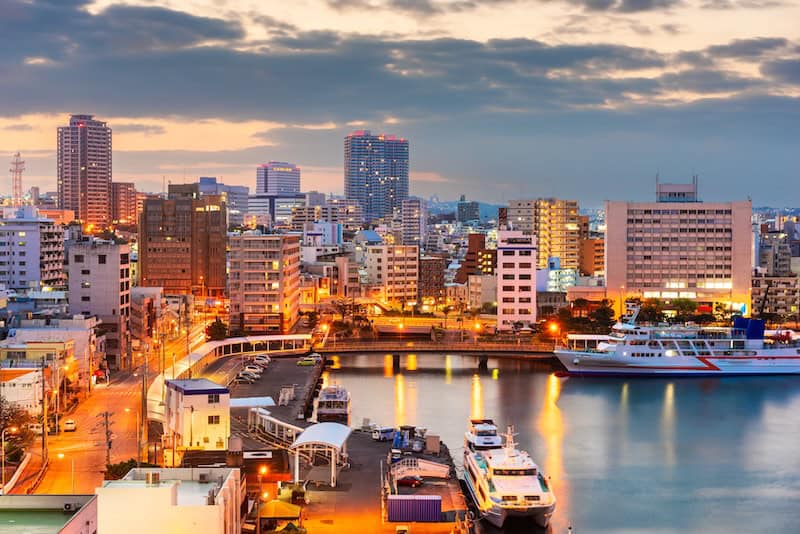
Okinawa’s capital occupies a unique position in Japanese culture—neither entirely of the mainland nor separate from it. For centuries, Naha served as the heart of the independent Ryukyu Kingdom, a trading hub that absorbed influences from China, Korea, and Southeast Asia before Japanese annexation in 1879. That layered history persists in the reconstructed grandeur of Shuri Castle, in the snake-skin-covered sanshin instruments echoing from tsuboya pottery district workshops, and in culinary traditions that favor bitter melon and purple sweet potato over mainland staples.
The city’s scale makes it easy to move between worlds. Kokusai Street’s neon and souvenir shops give way within blocks to quiet residential lanes lined with small local shops and boutique stores.
Makishi Public Market offers octopus, sea grapes, and whole tuna laid out on ice alongside unfamiliar tropical fish. Just beyond the city’s modest skyline, the East China Sea spreads in shades of turquoise and jade—Okinawa’s famous coral reefs accessible by short ferry rides to the Kerama Islands.
What makes Naha compelling is this persistent sense of elsewhere-ness, a reminder that Japan’s cultural geography extends far beyond Tokyo and Kyoto into subtropical latitudes where history took different paths.

Hobart, Tasmania — Harbour and Hinterland
Australia’s southernmost capital wraps around the Derwent River estuary with Mount Wellington rising immediately behind, its elevation and latitude combining to deliver snow within sight of harbor waters. Hobart’s colonial sandstone architecture—remarkably intact along Salamanca Place’s warehouse row—now houses galleries, restaurants, and the weekly Saturday market that draws the entire city. The Museum of Old and New Art (MONA), provocative and world-class, occupies a clifftop site reached by ferry from the waterfront.
Beyond urban attractions lies Tasmania’s wilderness: hiking trails, clifftop walks, and outdoor activities that make Hobart a paradise for nature lovers. The Southwest National Park’s temperate rainforest, Bruny Island’s clifftop walks and artisan food producers, and the colonial horrors of Port Arthur, preserved as a heritage site, all lie within easy reach.
Hobart serves as both destination and departure point, small enough to navigate easily while offering sophisticated dining — from farm-to-table restaurants to waterfront venues serving Tasmania’s seasonal produce. Cool-climate wines, fresh oysters, and grass-fed lamb all feature prominently.
The city’s scale allows for layered experience—morning at the fish market, afternoon hiking Mount Wellington’s slopes, evening at a waterfront restaurant—without the logistical friction larger cities impose.

Coimbra, Portugal — Hilltop Heritage
Portugal’s former medieval capital rises in tiers above the Mondego River, its steep streets leading inevitably toward the University of Coimbra, one of Europe’s oldest continuous seats of learning. Since 1290, students in black capes have climbed these lanes to libraries and lecture halls, their traditions—fado performances, academic ceremonies, the burning of ribbons at year’s end—woven into the city’s identity as thoroughly as the azulejo tiles that decorate its buildings.
The Joanina Library, baroque masterpiece completed in 1728, houses tens of thousands of volumes beneath gilded woodwork and painted ceilings, its collection protected by a colony of bats that emerge nightly to consume insects. The Old Cathedral, fortress-like and Romanesque, predates the university by a century. Between these monuments, Coimbra unfolds as a working city where university life animates cafes, bookshops, and the peculiar tradition of afternoon serenades delivered beneath dormitory windows.
The river provides physical and psychological relief from steep ascents, its banks now parkland where joggers and strollers share paths. Across the water, the Santa Clara Convent and newer developments create visual counterpoint to the historic center’s density. For travelers seeking Portugal beyond Lisbon and Porto’s well-trodden quarters, Coimbra offers substance, a place where Portuguese cultural heritage and the area’s rich history have been actively shaped and transmitted, not simply preserved for observation.
Santander, Spain — Seaside Sophistication
Santander occupies an enviable position on Spain’s northern coast, where the Bay of Biscay moderates summer heat and green Cantabrian hills descend to beaches that have drawn Spanish aristocracy since the nineteenth century. The city rebuilt itself after a devastating 1941 fire with belle époque dignity intact—broad boulevards, elegant apartment buildings, and the reconstructed cathedral maintaining architectural grace even as contemporary cultural institutions have found their place.
The Palacio de la Magdalena, former summer residence of Spanish royalty, presides over the peninsula that defines Santander’s waterfront. Below it, a chain of urban beaches—El Sardinero most prominent among them—offers remarkably clean water considering the city’s proximity. The Centro Botín, designed by Renzo Piano and opened in 2017, brings contemporary art and architecture to the waterfront, its reflective surfaces catching light off the bay.
What distinguishes Santander from grittier port cities or precious beach towns is this balance: sophisticated enough for serious culture, accessible enough for daily swims, small enough that you recognize faces after a few days’ residence.
Petrolina, Brazil — Riverfront Abundance
In Brazil’s semi-arid northeast, where the São Francisco River carves through sertão scrubland, Petrolina presents an unlikely vision of agricultural abundance. Irrigation projects begun in the 1970s transformed this once-modest river port into one of Brazil’s primary fruit-growing regions, where mangoes, grapes, and guavas flourish year-round under guaranteed sunshine. Vineyards now produce tropical wines, their harvest cycles unbound by traditional seasons.
The riverfront itself—lined with fig trees and punctuated by the distinctive paddleboat Vapor do Vinho—offers evening promenade space and weekend markets. Across the river lies Juazeiro, Petrolina’s smaller Bahian twin, connected by bridge and deeply intertwined in economic and cultural terms. Together they form a binucleated urban region whose prosperity stands in marked contrast to the sertão’s historical poverty.
What makes Petrolina worth attention is this improbable success story, visible in modern packing facilities, experimental agricultural stations, and a standard of living unexpected in Brazil’s traditionally neglected interior. The São Francisco, Brazil’s river of national integration, here demonstrates what infrastructure investment and natural resources can achieve even in challenging environments.
Victoria, British Columbia — Garden-City Grace
Canada’s westernmost provincial capital occupies the southern tip of Vancouver Island with a mildness of climate and temperament that sets it apart from the country’s harsher latitudes. Victoria’s British colonial heritage Parliament Buildings are designed to impress, the Empress Hotel, a historic hotel serving afternoon tea since 1908, coexists with Pacific Northwest naturalism: ocean kayaking minutes from downtown, temperate rainforest trails in Goldstream Provincial Park, and botanical gardens that flourish in conditions that allow roses to bloom in December.
The Inner Harbour concentrates tourist activity but the city’s character emerges more clearly in neighborhoods like Oak Bay, where heritage homes shelter behind hedges and residents maintain fierce devotion to local shopping districts, or in Fernwood’s more bohemian cafes and vintage shops. Fisherman’s Wharf offers harbor seals and houseboats rather than industrial shipping. The seawall path extends for miles, connecting parks and beaches in a continuous waterfront experience.
Victoria’s appeal lies partly in what it isn’t—not rushed, not overgrown, not indifferent to public green space or architectural preservation. For travelers seeking a Pacific gateway that prioritizes livability over spectacle, this small capital delivers refined ease.
Keelung, Taiwan — Cycling and Hiking Gateway
Taiwan’s second-largest port sits squeezed between rainforest-covered mountains and the East China Sea, its industrial waterfront and residential density relieved by immediate access to extraordinary outdoor recreation. The Northern Coast National Scenic Area begins at Keelung’s edge, cycling routes following the shoreline past wave-cut platforms and fishing villages. Mountain trails offering hiking, mountain biking, and occasional rock climbing opportunities, ascend directly from the city into subtropical forest where butterflies and endemic bird species outnumber hikers.
Keelung’s reputation hinges on two things: persistent rain (Taiwan’s wettest city) and its night market, where seafood dominates—tempura, crab soup, grilled squid prepared in dozens of regional variations. The harbor itself, protected by mountains on three sides, has served as northern Taiwan’s primary port since the nineteenth century, though container shipping now concentrates in Kaohsiung. What remains is a working port city with authentic character, where tourism infrastructure serves domestic visitors more than international ones.
For travelers already exploring Taiwan, Keelung offers an alternative base for the north coast—grittier than Taipei, more immediately connected to landscape, and refreshingly indifferent to polish.
Puerto Ayora, Galápagos — Wildlife Capital
On Santa Cruz Island’s southern shore, Puerto Ayora exists primarily to support Galápagos National Park tourism, yet has evolved into something more substantial than mere gateway—a small Ecuadorian town where wildlife encounters happen not only on organized excursions but on morning walks to the bakery. Marine iguanas cluster on lava rocks along the malecón. Sea lions occupy park benches and dock spaces. The Charles Darwin Research Station, where captive breeding programs work to save threatened tortoise species, sits at the edge of town.
From Puerto Ayora, day trips and small boat tours reach extraordinary sites: Tortuga Bay’s white sand and marine turtles, Los Gemelos’ volcanic craters in the highlands, surrounding islets where blue-footed boobies and frigatebirds nest. The harbor fills with tour boats, water taxis, and the occasional yacht, while Academy Bay’s protected waters host sharks, rays, and sea turtles visible from shore.
What makes Puerto Ayora more than a utilitarian base is this collision between human settlement and wildlife abundance, the understanding that this small town occupies borrowed space in an archipelago defined by evolutionary processes that continue regardless of human presence.
These small cities share common ground: scale that allows genuine exploration rather than strategic sampling, character strong enough to withstand tourism without being consumed by it, and identities shaped by geography, history, and continuing daily life rather than heritage management alone. In 2026, as overcrowding pressures the world’s most famous destinations, these cities offer an alternative—places where personality emerges not despite modest size but because of it.