What Most Travelers Get Wrong About Galapagos Wildlife — And What the Islands Are Really Telling Us

Last Updated on December 21, 2025 by Miru Adventures
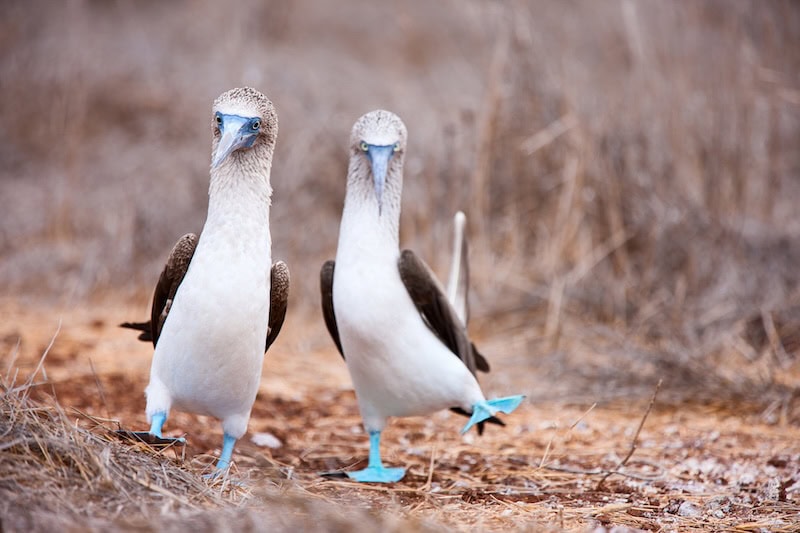
Popular imagination casts the Galapagos Islands as a wildlife paradise: blue-footed boobies, giant tortoises, and marine iguanas appear as living icons, occasionally accompanied by a penguin or two. These creatures are extraordinary, but they are not the full story.
The archipelago is also home to a diversity of booby species, including Nazca and Red-footed boobies, each with unique courtship dances and feeding behaviors. Rather, they are clues—signposts pointing to deeper ecological and evolutionary processes at work across the archipelago.
The defining characteristic of the Galapagos is not its fauna per se, but the way in which the islands function as a living laboratory of evolution and ecology. The volcanic landscapes of the islands have shaped the habitats and biodiversity, creating a mosaic of environments that support many species found nowhere else on Earth.
This guide is for travelers and wildlife enthusiasts seeking a deeper understanding of the Galapagos Islands. It covers not only the famous animals but also the evolutionary and ecological processes that make the archipelago unique, helping visitors appreciate the importance of responsible travel and conservation.
Ecological Naïveté: When Fear Is Evolutionarily Absent
One of the most striking aspects of Galapagos wildlife is its apparent lack of fear toward humans. Sea lions, marine iguanas, and nesting birds often approach within inches of visitors. This behavior is not a sign of friendliness, but of ecological naïveté: the evolutionary consequence of living in an environment largely devoid of terrestrial predators.
Humans arrived only in the 16th century; prior to that, these species had no reason to develop fear responses. What appears as bold or playful behavior is, in fact, a window into the evolutionary past, demonstrating what animal behavior can look like in the absence of predation. The absence of natural predators has allowed unique behaviors and traits to evolve, but it also means that the introduction of new predators can rapidly disrupt the ecological balance.
Maintaining distance is not merely a matter of safety—it is a practice that helps preserve this fragile evolutionary condition, crucial for sustainable travel practices in the islands.
Islands as Chronological Laboratories
The Galapagos are more than a cluster of landmasses; they are a sequence of islands of varying geological ages, forming a conveyor belt over a volcanic hotspot.
Fernandina is geologically young, its lava fields still steaming; Isabela, with multiple volcanic cones, represents a mosaic of intermediate age; Santa Cruz and Santiago are mature, vegetated islands; while San Cristóbal and Española are older islands gradually eroding back into the sea.
Isabela Island is home to unique species such as the pink land iguana and giant tortoises, making it a key site for wildlife observation. The western islands, including Fernandina and Isabela, are the exclusive habitat for species like the flightless cormorant, which has lost the ability to fly due to the absence of predators.
Traversing the archipelago is akin to walking through a geological timeline. Species differentiation among islands is not arbitrary; it reflects adaptations to distinct stages of island development, with ecological pressures varying across space and time. This understanding also enriches the visitor experience for those exploring the islands via Galapagos tours or hiking excursions.
Marine Iguanas: Evolutionary Specialists in Motion
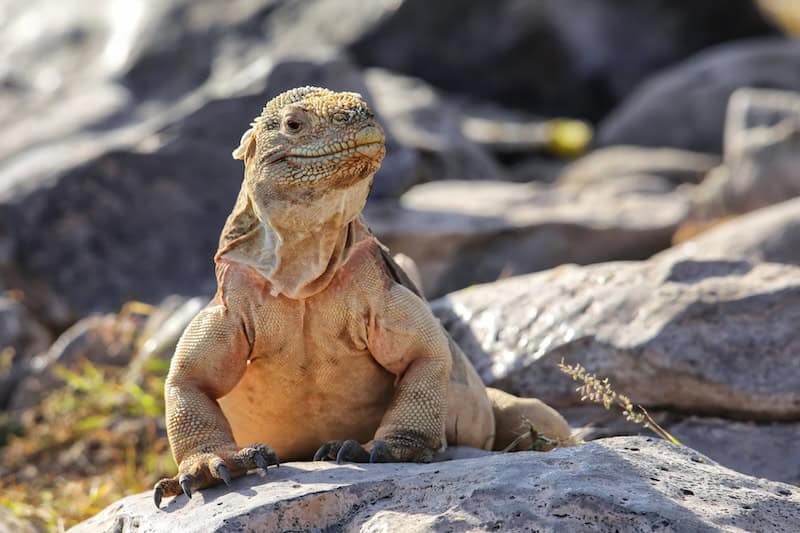
Marine iguanas, often described as “prehistoric,” exemplify evolutionary specialization. They can shrink their skeletons during periods of food scarcity, remain submerged in cold water for up to 40 minutes, and excrete excess salt via specialized nasal glands.
Remarkably, each island hosts genetically distinct populations adapted to local conditions. These reptiles are not static relics; they are living demonstrations of adaptive evolution operating at high speed, a highlight for any Galapagos wildlife encounter. Marine iguanas are the only sea-going lizard in the world, having evolved their marine lifestyle due to the scarcity of nutritious vegetation on land. They are often seen basking on black volcanic rocks to thermoregulate, a vital behavior for survival in the equatorial climate.
Reassessing Darwin’s Observations
Contrary to popular narrative, Charles Darwin did not immediately recognize the principles of natural selection upon visiting the Galapagos. He misidentified many of the finches and only fully understood their significance upon later analysis in England, assisted by ornithologist John Gould. This historical detail illustrates a broader principle: scientific insight often emerges from careful, iterative observation rather than instantaneous revelation. Adaptive radiation describes how a single ancestral species diversified into many species, including Darwin’s finches and mockingbird species, each filling specific ecological niches.
The woodpecker finch, for example, uses cactus spines as tools to extract insects—a rare example of tool use in birds. The Galapagos are thus less a monument to a single genius than a testament to sustained inquiry—a key lesson for travelers seeking a deeper understanding of Darwin’s finches and evolution in action.
Tourism as a Vehicle for Conservation
The Galapagos also provide an instructive case study in the intersection of tourism, conservation, and sustainable travel. Rigorous management practices—entrance fees, visitor limits, mandatory guide accompaniment, and biosecurity protocols—have allowed certain species and habitats to recover.
The Galápagos National Park plays a crucial role in protecting endemic species and regulating tourism, while the Galápagos Marine Reserve is a vast protected area safeguarding marine life. Conservation organizations have launched eradication and control programs to combat threats from invasive species and other invasive species that threaten the islands’ delicate ecosystems.
Responsible travel is integral to these outcomes: staying on designated trails, maintaining distance from wildlife, and supporting operators committed to eco-tourism are not bureaucratic hurdles—they are essential components of a working conservation model. The islands attract wildlife enthusiasts from around the world, drawn by the opportunity to observe unique and magnificent creatures in their natural habitats.
Visitors can choose from small group land-based tours or boat cruises, with many tours including visits to the Charles Darwin Research Station. Guided tours allow visitors to see unique wildlife in their natural habitats, and boat cruises often provide opportunities to see penguins and sea lions. Snorkeling with Galapagos sea lions is a highlight for many, and there are abundant opportunities to see tropical fish and marine life. The Galapagos Islands offer wildlife observation opportunities year-round, with most animals visible throughout the year. The islands are renowned for their exceptional biodiversity and unique wildlife experiences, with some of the highest levels of endemism anywhere on the planet—about 80% of land birds and 97% of reptiles and land mammals are found nowhere else on Earth.
The Galapagos giant tortoise is the largest tortoise species in the world, capable of living over 100 years, and has played a significant role in the islands’ history. These tortoises were heavily hunted in the 20th century, but conservation programs, including breeding centers, have helped stabilize some populations, though several subspecies remain critically endangered. The blue-footed booby is famous for its bright blue feet and unique courtship dance, and the archipelago is home to several booby species. The magnificent frigatebird is easily recognized by its giant red throat pouch, which males inflate to attract females during mating season. The Galapagos penguin is the only penguin species found north of the equator and is highly vulnerable to climate change, especially during El Niño events. The flightless cormorant, endemic to the western islands, has lost the ability to fly due to the absence of predators.
Galapagos fur seals and fur seals, both marine mammals, are found along rocky shorelines and are distinct from sea lions in their physical characteristics and behaviors. The islands support a diversity of mammal species, including native land mammals like rice rats and marine mammals such as sea lions and fur seals. Land iguanas bask on black volcanic rocks to thermoregulate and play an important ecological role, while lava lizards, which begin mating in July, are key components of the ecosystem. Green sea turtles and green turtles nest on sandy beaches, with the best times to observe them during the rainy season and early in the year. Galapagos doves, with their ground-nesting behavior, are vulnerable to introduced predators and are an important part of the island ecosystem. Sandy beaches and rocky shores are vital habitats for sea lions, marine iguanas, and seabirds, supporting complex ecological interactions.
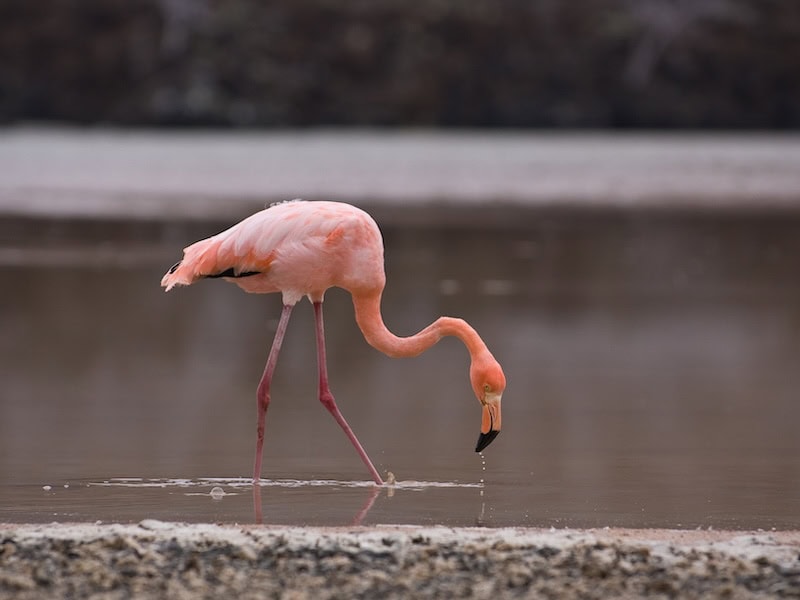
Located in the Pacific Ocean, the Galapagos Islands’ remote position shapes their unique ecology and the distribution of wildlife. The annual wildlife calendar is marked by breeding seasons, mating seasons, and key events for various species: the rainy season in January brings green sea turtles to lay eggs; February marks the start of nesting for flamingos and marine iguanas; March sees the arrival of the waved albatross at Española Island; April features courtship displays and hatching events; May and June are notable for blue-footed booby rituals and green sea turtle hatchings; July is the mating season for lava lizards; August brings sea lion births and giant tortoise migrations; September is the peak of the cold season with active sea lions and nesting seabirds; October is the breeding season for Galapagos fur seals; November offers excellent snorkeling conditions; and December sees giant tortoise eggs hatching and green sea turtles mating.
The islands’ volcanic landscapes continue to shape the habitats and distribution of wildlife, supporting many species of land birds, including Darwin’s finches and mockingbird species, whose evolutionary significance is profound. The Galapagos are home to magnificent creatures such as the waved albatross, giant tortoise, and marine iguana, making them a living showcase of evolution and adaptation.
Responsible Wildlife Viewing in the Galapagos
The Galapagos Islands are a living showcase of evolution, home to an astonishing variety of endemic species found nowhere else on Earth. From the only penguin species found north of the equator—the charismatic Galapagos penguins—to the prehistoric-looking marine iguanas basking on black lava rocks, every encounter is a privilege. But with this privilege comes responsibility: the rich biodiversity of the Galapagos is fragile, and the actions of visitors can have lasting impacts on both land and marine life.
Responsible wildlife viewing begins with respect for the natural habitat and the unique behaviors of the islands’ iconic species. Always keep a respectful distance—at least two meters—from animals like the Galapagos sea lions, giant tortoises, and flightless cormorants, especially during sensitive times like breeding or when sea lion pups are present. Approaching too closely can disrupt their natural routines and even put them at risk. Feeding or touching wildlife is strictly prohibited, as it can alter their diet, make them dependent on humans, and increase the risk of disease transmission.
The Galapagos Marine Reserve, one of the world’s largest protected marine areas, is a sanctuary for marine species ranging from green sea turtles and playful sea lions to a dazzling array of marine invertebrates. When snorkeling or diving in the shallow coastal waters, follow all guidelines to avoid disturbing the vibrant marine life. Even a small action, like standing on a coral or leaving behind litter, can have outsized effects on the delicate ecosystem.
Many of the Galapagos’ most captivating species, such as the waved albatross on Española Island, the blue-footed booby, and the Galapagos hawk, are critically endangered or have limited populations. Invasive species—like rats, cats, and invasive plants—pose a significant threat to native species, outcompeting them for resources or preying on eggs and young. By staying on marked trails and ensuring you don’t inadvertently transport seeds or insects between islands, you help protect the islands’ natural balance.
Choosing a responsible tour operator is another vital step. Look for companies that support conservation initiatives, follow strict environmental guidelines, and work closely with organizations like the Galapagos National Park and the Charles Darwin Research Station. These groups are at the forefront of efforts to protect the islands’ unique flora and fauna, from the largest tortoise species on Santa Cruz Island to the elusive mangrove finch and medium tree finch.
Ultimately, every visitor to the Galapagos becomes a steward of its future. By practicing responsible wildlife viewing, supporting sustainable tourism, and respecting the conservation status of the species you encounter, you help ensure that the Galapagos archipelago remains a haven for wildlife lovers and a living laboratory for generations to come. The islands are not just a destination—they are a call to action, inviting us all to protect their extraordinary natural heritage.
The Galapagos Islands offer more than photographic opportunities; they are a platform for learning about evolution, ecology, conservation, and wildlife in real time. Travelers who approach the islands with curiosity and attention gain insights that extend far beyond the archipelago itself.
In this sense, the Galapagos are not merely a destination—they are a lesson in natural history, ecological resilience, and the careful observation required to understand both. Approaching them as such transforms travel from passive observation into active engagement with the living processes that shape our planet, making every Galapagos trip both enriching and memorable.
Quick FAQ’s About the Galapagos Islands
What endemic species and wildlife are in the Galapagos?
The Galápagos archipelago hosts hundreds of endemic species, with 80% of land birds, 97% of reptiles and land mammals, and over 30% of plants found nowhere else on Earth.
Among birds, Darwin’s finches represent 13-18 species, each with specialized beak morphologies adapted to specific food sources. The Galápagos penguin is the only penguin species inhabiting the Northern Hemisphere, while the flightless cormorant has lost its ability to fly due to the absence of terrestrial predators. The waved albatross breeds exclusively on Española Island.
Marine life includes the marine iguana, the world’s only seagoing lizard, which has evolved salt-excreting nasal glands and the ability to reduce skeletal size during food scarcity. Galápagos sea lions, fur seals, and the Galápagos green turtle are genetically distinct subspecies. The waters surrounding the islands support hammerhead sharks, whale sharks, manta rays, and over 400 fish species, many endemic to the region.
Terrestrial fauna includes the Galápagos giant tortoise (15 surviving subspecies across different islands), land iguanas, lava lizards, and the Galápagos racer snake. Each island often hosts genetically distinct populations, demonstrating ongoing evolutionary differentiation in geographic isolation—a process known as allopatric speciation.
What is the biggest animal on Galapagos? (Galapagos giant tortoise)
The Galápagos giant tortoise (Chelonoidis niger complex) holds this distinction, up to 920 pounds (417 kg), though most large males reach 500-600 pounds and shell lengths exceeding five feet. These tortoises are not merely the largest animals on land in the archipelago; they are also among the longest-lived vertebrates on the planet, with documented lifespans surpassing 150 years.
Their size represents an evolutionary phenomenon called island gigantism, where species isolated on islands with abundant resources and minimal predation evolve larger body sizes than their mainland relatives. Different islands host morphologically distinct subspecies: saddleback tortoises with raised shell fronts inhabit arid islands and reach for elevated vegetation, while dome-shelled tortoises live in lusher highland environments where ground-level grazing is sufficient.
These tortoises also function as ecosystem engineers, dispersing seeds across vast distances and maintaining vegetation structure through selective grazing—ecological roles that underscore their importance beyond their impressive physical stature.