Wakatobi Diving: Indonesia’s Underwater and Cultural Paradise

Last Updated on December 21, 2025 by Miru Adventures
Imagine stepping out of your oceanfront bungalow into waters so clear you can see every swaying coral and darting fish. This is Wakatobi diving is about. This is what Wakatobi diving offers—a remote gem in southwest Sulawesi, Indonesia, where luxury adventure travel, immersive experiences, and wildlife encounters come together in perfect harmony. But beyond its reefs, Wakatobi has a rich story to tell—one that begins long before it became a world-class snorkeling destination.
A Living History in a Remote Destination
The name “Wakatobi” is an acronym of its four main islands: Wangi-Wangi, Kaledupa, Tomia, and Binongko. Collectively known as the Wakatobi Islands, this group has been inhabited for centuries by seafaring communities closely tied to the rhythms of the sea. Wakatobi was historically under the influence of the Buton Sultanate, and its villages still reflect centuries-old customs and ways of life. Traditional fishing methods, weaving, and ceremonial practices are preserved and woven into daily life, offering travelers authentic travel experiences that go far beyond the surface of the ocean.
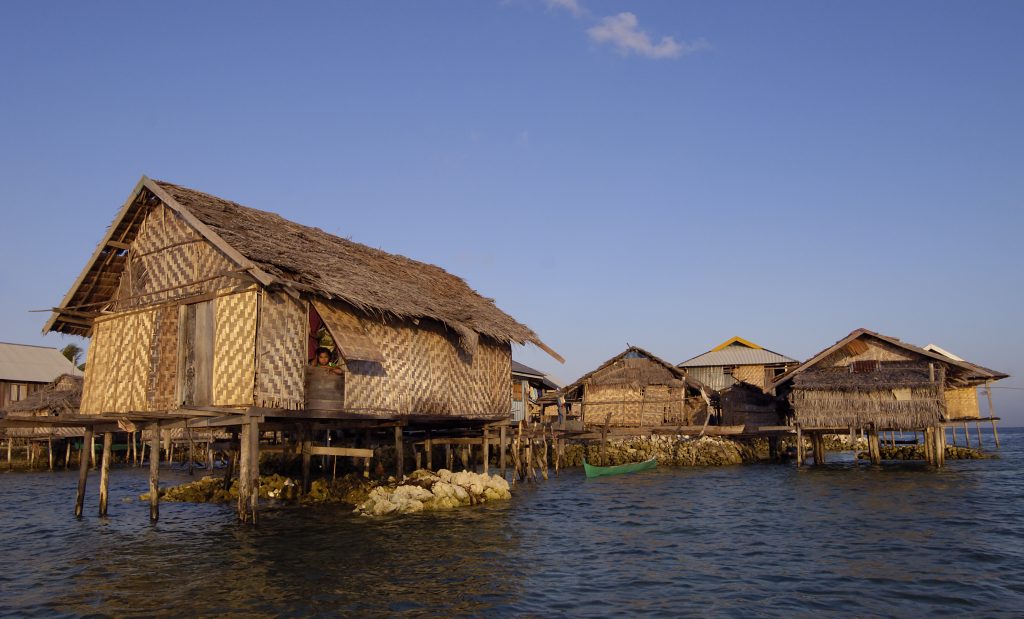
Local markets are vibrant with activity, filled with handmade crafts, colorful textiles, and the catch of the day. Wooden houses perched on stilts tell stories of architecture shaped by both practicality and tradition. Visiting Wakatobi allows you to see how communities have thrived in relative isolation, maintaining cultural practices while adapting to the modern world—something increasingly rare in other parts of Indonesia.
Wakatobi Diving: A Marine Wonderland
Beneath the waves, Wakatobi is equally extraordinary. Part of the Coral Triangle—the global epicenter of marine biodiversity—the reefs here are teeming with life. The diversity of marine life is astounding, with over 900 fish species and more than 700 coral reef species found in Wakatobi.
Bordered by the Banda Sea, which contributes to its exceptional marine biodiversity, Wakatobi’s underwater landscape features shallow coral gardens, dramatic drop-offs, barrier reefs, tiny atolls, and hidden seamounts, making every snorkel a new adventure. Many reefs transition dramatically from shallow shelves into steep slopes and walls that drop to great depths, offering exciting diving opportunities.
Here, soft corals and pristine coral reefs thrive alongside hard corals, supporting vibrant, colorful harmony. New marine species and dive sites are still being discovered, highlighting Wakatobi’s ongoing scientific importance. Wakatobi is also one of the most arid regions of Indonesia, receiving only about 25% of the average rainfall, which helps maintain the clarity and health of its marine environment.
Wakatobi National Park consists of over 100 islands, including the four largest: Wangi-Wangi, Kaledupa, Tomia, and Binongko. Unique dive sites such as Roma, Blade, and Cornucopia are renowned for their distinct underwater topographies and marine life.
From your bungalow, the House Reef offers an accessible window into this underwater world. Spot juvenile triggerfish, nudibranchs, bubble shrimp, blue-ring octopus, and frogfish, or drift over gardens filled with anemonefish. Venture to the reef’s edge to encounter turtles, bumphead parrotfish, angelfish, and schools of surgeonfish gliding through sunlit waters.
Hidden Pristine Coral Reefs and Wildlife Encounters
With a private boat, Wakatobi reveals its more remote treasures through boat dives, allowing access to pristine and less crowded sites. Expect to encounter a fantastic array of marine life and scenic underwater landscapes during these excursions. Hidden pinnacles, seamounts, and tiny atolls host green and hawksbill turtles, manta rays, dolphins, and swirling schools of batfish, barracuda, and bronze snappers.
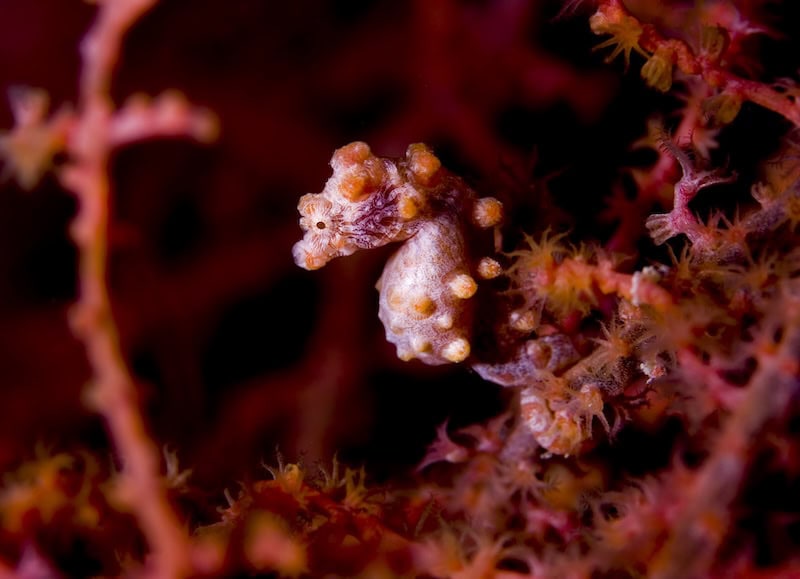
At Outer Pinnacle near Hoga Island, divers can spot moray eels and blue spotted rays among a mix of macro life and larger critters. On the south side of Tolandono Island, the Zoo dive site is renowned for muck diving and macro photography, featuring rare critters like ghost pipefish, frogfish, and pygmy seahorses.
Night dives are also popular at the Zoo, offering opportunities to observe nocturnal marine life and capture unique underwater photos. Giant trevallies, humphead wrasse, pyramid butterflyfish, squarespot anthias, and redtoothed triggerfish weave through the coral, offering transformative travel experiences that leave every snorkeler awestruck.

Tomia Island and Hoga Island
Tomia Island and Hoga Island are jewels of the Wakatobi archipelago, each offering their own unique allure for divers and adventure seekers.
Tomia Island is renowned for its world-class diving, with the Wakatobi Dive Resort providing exclusive access to some of the region’s most pristine reefs and vibrant dive sites. Here, divers can explore colorful coral gardens, exhilarating drift dives, and macro life that delights underwater photographers. The resort’s five-star amenities ensure every guest enjoys comfort and luxury after a day of underwater exploration.
Hoga Island, meanwhile, is a favorite among experienced divers seeking encounters with larger pelagic species. Its deep dive sites are alive with eagle rays, barracuda, and schools of fish weaving through healthy, untouched reefs. Both islands offer a tranquil island setting, making them perfect for those looking to experience the best of diving in Wakatobi, from shallow fringing reefs to dramatic deep walls.
Luxury, Culture, and Small Group Adventure
In Wakatobi, adventure meets comfort. Private guided tours and small group adventure tours allow travelers to explore at a meaningful pace. Learn from marine biologists about coral restoration, connect with local communities, and experience how life in Wakatobi is intertwined with both the land and sea. These immersive travel experiences create a profound connection to a place few have the privilege to explore.

Non-Diving Activities
Wakatobi isn’t just a paradise for scuba diving enthusiasts—there’s a wealth of non-diving activities for guests to enjoy. Snorkeling is a must, with crystal-clear waters and vibrant sites like the Tomia Snorkeling Site Area and Eel Valley-Waha Bay offering easy access to stunning marine life right from the shore.
For those seeking relaxation, the beaches invite you to unwind under the sun, while the resort’s spa treatments provide a soothing escape. Guests can enjoy sunset views at the jetty bar or join a beachside dinner for a truly memorable evening.
Cultural explorers will find plenty to discover, from visiting traditional villages and historic landmarks to engaging with the warm, welcoming locals. Wakatobi Resort also curates a variety of experiences, including sunset cruises, island hopping tours, and special events, ensuring that non-divers have just as many opportunities to explore and enjoy the islands as those venturing beneath the waves.
National Park Conservation
Wakatobi National Park stands as a model of sustainable protected marine park management, safeguarding over a million hectares of pristine reefs, coral ecosystems, and diverse marine life. Home to more than 600 species of fish and 400 types of coral, the national park is a living testament to the region’s extraordinary biodiversity.
Conservation is at the heart of Wakatobi’s mission, with ongoing efforts to protect fragile reefs and promote responsible tourism. Guests are encouraged to support these initiatives by practicing eco-friendly diving and snorkeling—avoiding contact with corals, not feeding fish, and respecting the natural environment.
By choosing to visit Wakatobi, travelers play a vital role in preserving the park’s pristine reefs and vibrant marine life, ensuring that this underwater paradise remains alive and thriving for generations to come.
Why Wakatobi Belongs on Your Travel List
From centuries-old cultural traditions to vibrant coral gardens and rare marine life, Wakatobi is a destination where history and nature intersect. It’s a place for remote travel, wildlife encounters, and authentic travel experiences that linger in memory long after you leave.
Wakatobi offers world-class diving and unforgettable moments year-round, with consistently excellent conditions and thriving marine life. On your last day, you may find it hard to say goodbye, as the emotional connection to this remarkable place makes every farewell bittersweet.
Dive in, explore the reefs, meet the communities, and discover the full story of one of Indonesia’s most extraordinary islands.
Top Reasons Wakatobi Should Be Your Next Diving Adventure
Looking for a luxury adventure travel experience that combines pristine waters, vibrant coral reefs, and unforgettable wildlife encounters? Wakatobi, a remote paradise in southwest Sulawesi, Indonesia, delivers it all.
Why Wakatobi Stands Out:
- UNESCO Marine Biosphere Reserve: Explore 3.4 million acres of protected waters, home to nearly 400 coral species and 600 fish species.
- House Reef at Your Doorstep: World-class shore diving just steps from your accommodation
- Enchanting Marine Life Encounters: Turtles, giant trevallies, humphead wrasse, eagle rays, dolphins, and schools of barracuda
- Hidden Reefs & Pinnacles: Remote seamounts and atolls for secluded diving experiences
- Immersive Adventures: Coral restoration programs and dramatic underwater landscapes
- Private & Small Group Excursions: Personalized dive experiences designed for comfort and adventure
- Luxury & Authenticity: Oceanfront bungalows, gourmet dining, and serene island atmosphere
Planning Your Trip to Wakatobi
A trip to Wakatobi promises world-class diving, spectacular marine life, and a tranquil island setting, but thoughtful planning ensures you make the most of this remote destination.
When to Visit: Seasonal Conditions
Wakatobi offers year-round diving, but timing your visit can optimize your experience:
January – February
Start the year with warm, calm seas and excellent diving conditions. Water temperatures range from 27–29°C (81–84°F), and visibility typically reaches 20–40 meters. These months are perfect for macro photography and exploring vibrant coral reefs at their healthiest.
March – May
The dry season begins, with easterly winds bringing calm waters and clear visibility of 30 meters on average—sometimes reaching up to 60 meters at premier sites. Water temperatures rise to 28–30°C (82–86°F), and this is a prime time for spotting large pelagic species. Wide-angle photographers will find these months particularly rewarding.
June – August
Peak dry season offers some of the best conditions of the year. Water temperatures are slightly cooler at 26–28°C (79–82°F), and seas are generally calm. August sees a seasonal plankton bloom, attracting manta rays, whale sharks, and schools of fish—making it an unforgettable time for underwater encounters. With fewer crowds than other peak months, divers can enjoy a more intimate experience.
September – October
Slightly cooler water and moderate winds make these months ideal for experienced divers seeking calmer conditions with fewer visitors. Visibility remains excellent at 20–40 meters, and large marine life continues to frequent the reefs, drawn by the lingering plankton blooms.
November – December
The transitional months bring occasional showers, but early November still offers calm seas and clear water. Water temperatures are warm at 28–30°C (82–86°F), and visibility ranges from 20–35 meters. December can be wetter, but diving is still enjoyable, with the added bonus of fewer travelers on the reefs.
Notable: Wakatobi is one of Indonesia’s most arid regions, with low rainfall contributing to consistently excellent diving conditions.
Conservation Status: Wakatobi has been a national park since 1996 and a UNESCO Biosphere Reserve since 2012, ensuring highly protected waters and thriving ecosystems.