New Guinea: The Island of Diversity and Living Culture

Last Updated on January 12, 2026 by Amylee Silva
Exploring the Unique Geography, Traditions, and Peoples of the World’s Second Largest Island.
Nestled north of Australia in the southwest Pacific, New Guinea is the world’s second-largest island, surpassed only by Greenland. Despite its proximity to Australia, New Guinea remains a land of mystery and wonder for many Aussies, offering a dazzling tapestry of landscapes and cultures that are as diverse as they are ancient. This blog takes you on a journey across its rugged mountains, dense rainforests, and vibrant villages, shedding light on the remarkable life and traditions that flourish here.
The Land: Geography Shaped by Time
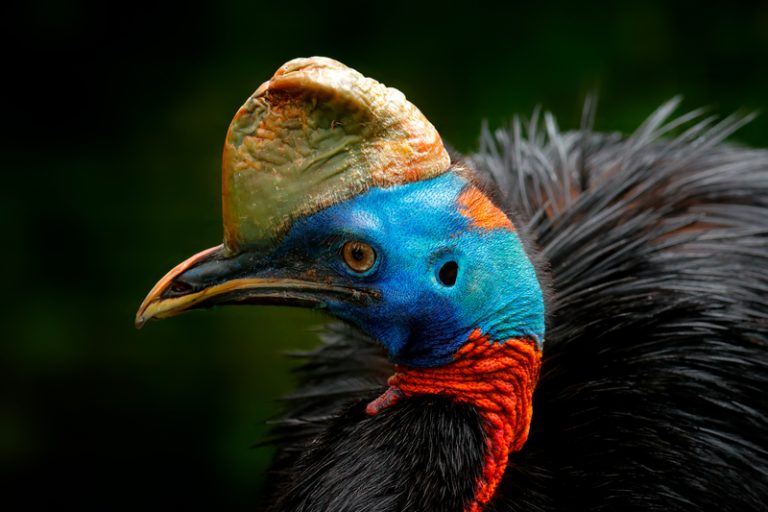
New Guinea stretches over 785,000 square kilometres, split into two major regions: Papua New Guinea (PNG), an independent country to the east, and the Indonesian provinces of Papua and West Papua to the west. The island’s terrain is famously rugged, with the Owen Stanley Range and Central Cordillera forming some of the highest peaks in Oceania. These mountains, cloaked in cloud forests and alpine grasslands, are home to rare wildlife, including the famed birds of paradise and tree kangaroos.
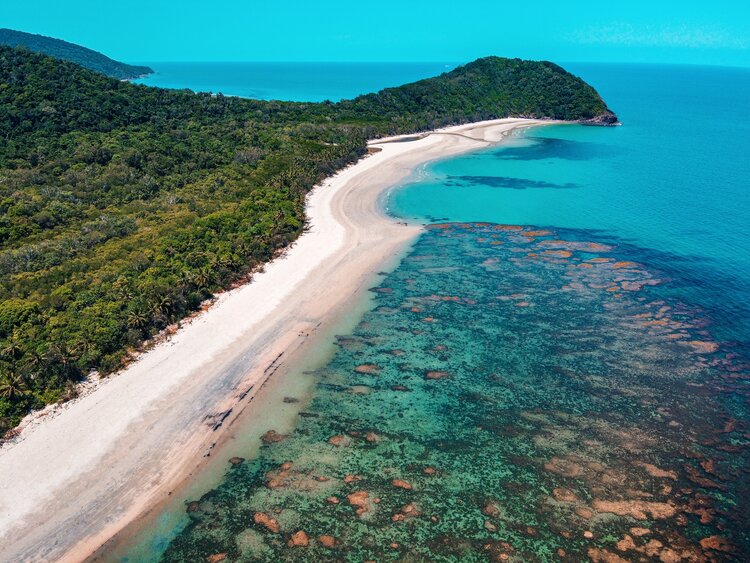
The lowlands and coastal areas offer a stark contrast, with sprawling mangroves, winding rivers, and coral reefs teeming with marine life. The Fly, Sepik, and Ramu rivers snake through the island, providing vital lifelines for remote communities. Despite its tropical climate, elevation brings dramatic changes, from steamy rainforests to surprisingly cool highlands.
The People: Guardians of Ancient Traditions
Perhaps the most extraordinary aspect of New Guinea is its people. The island is one of the most linguistically diverse places on Earth, with over 800 distinct languages spoken. These languages reflect a mosaic of tribal groups, each with their own customs, stories, and ways of life. Many communities still live much as their ancestors did, with subsistence farming, hunting, and gathering remaining central to daily life.
Village life in New Guinea is tightly knit, centred around communal values and kinship. Traditional houses, known as “longhouses,” are constructed using local materials like bamboo and palm leaves. These structures often serve as focal points for ceremonies and gatherings, echoing the deep spiritual connection communities have with their land.
Cultural Richness: Rituals, Art, and Festivals
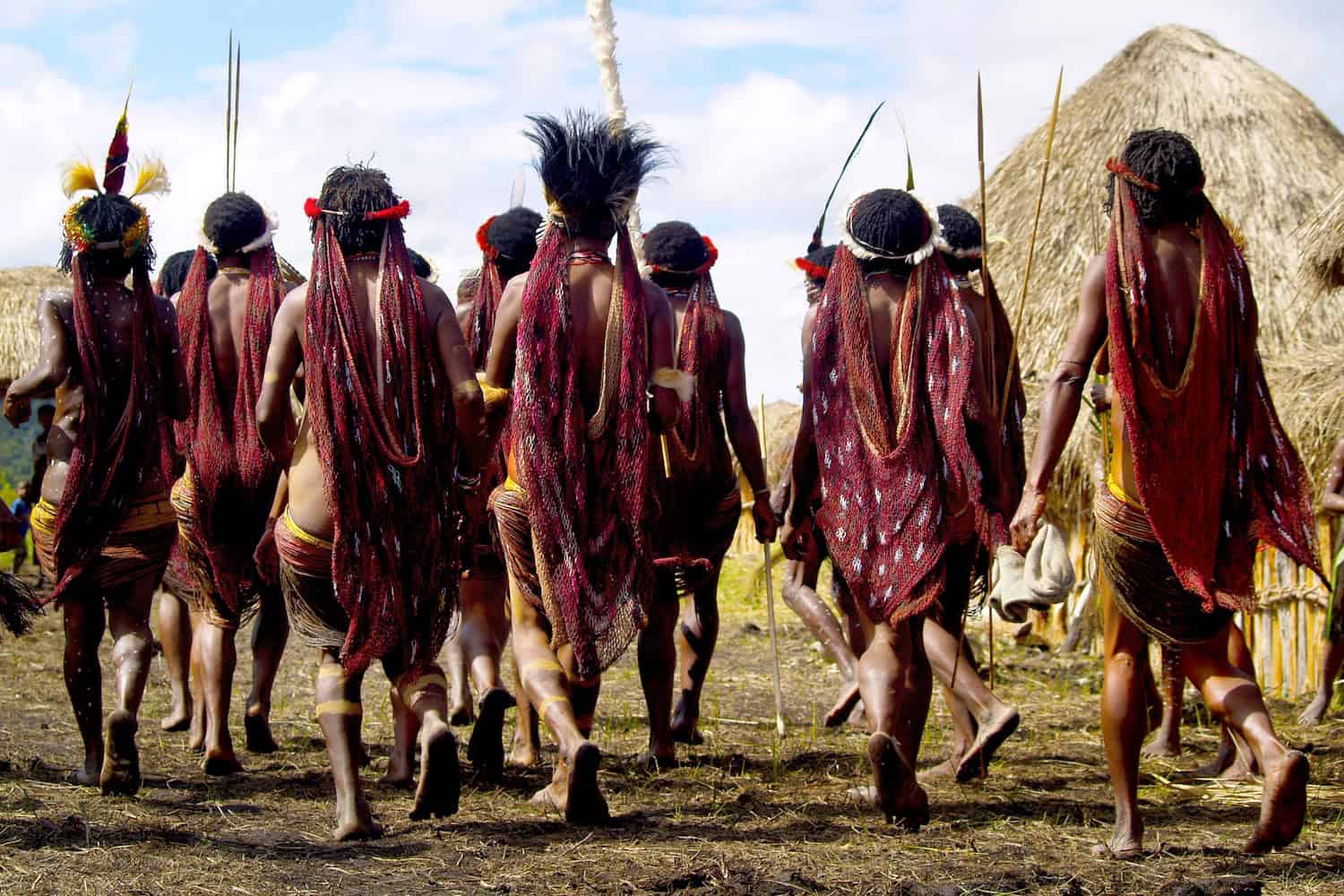
New Guinea’s cultural wealth is expressed through art, dance, music, and ritual. Intricate wood carvings, woven bilum bags, and elaborate ceremonial costumes showcase the creativity and skill of local artisans. Each tribe has its own unique style, often inspired by the natural world and ancestral spirits.
Festivals are an integral part of New Guinea society, with events like the Goroka Show and Mount Hagen Cultural Show attracting many visitors from across the globe. These vibrant gatherings feature traditional sing-sings, where groups perform energetic dances and songs adorned in feathers, shells, and body paint. Such celebrations serve not only as an expression of identity but also as a means of preserving heritage in a rapidly changing world.
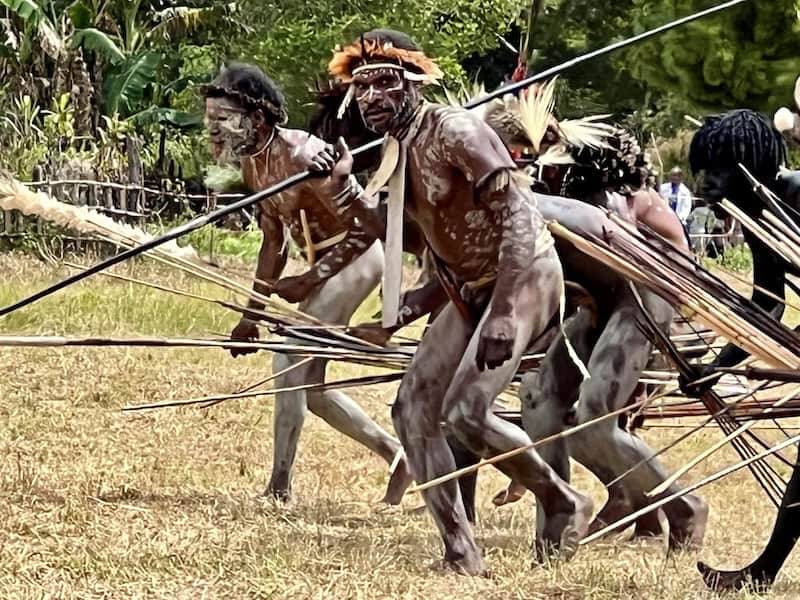
We will be visiting Mount Hagen just before the crowds arrive for the Cultural Show, when villages are preparing their costumes and practicing their dances. This allows us to get the benefit of the Cultural Show in more private settings. We finish our journey in the Indonesian half of the island, in Wamena to see the Baliem Valley Cultural Festival. An annual celebration still under the radar of most tourists, the festival showcases the vibrant traditions of the Dani, Lani, and Yali tribes through mock tribal battles, traditional dances, music, elaborate costumes, pig feasts (Bakar Batu), and games like spear throwing.

Challenges and Resilience
Despite its cultural and natural wealth, New Guinea faces significant challenges. Issues such as deforestation, mining, and climate change threaten both the environment and the livelihoods of local peoples. Social change and urbanisation are also impacting traditional ways of life, creating a complex interplay between old and new.
Yet, the resilience of New Guinea’s communities is remarkable. Grassroots initiatives, eco-tourism, and cultural preservation projects are helping to promote sustainable development while honouring ancient traditions. For visitors, the island offers a rare glimpse into a world where culture and nature exist in close harmony—a reminder of the value of diversity and the importance of stewardship.
Conclusion: A Living Treasure
New Guinea is more than just an island; it’s a living treasure, rich in stories and spirit. Whether you’re a traveller seeking adventure, a student of anthropology, or simply curious about the world, New Guinea promises a journey like no other. Its people, landscapes, and traditions stand as testament to the enduring power of culture, making it a place well worth discovering and protecting for generations to come.