36 Luxury Travel Experiences for 2026

Last Updated on November 30, 2025 by Amylee Silva
We often measure our lives not in days or years, but in moments that imprint themselves into our memories—those moments when we’ve pushed beyond our comfort zones and discover something new about ourselves and the world around us.
Picture helicopter tours flying high above Victoria Falls. Or feeling the rumble of a Harley beneath you as you explore Australia’s most sacred rock Uluru at sunset. Or float silently between continental plates in Iceland’s impossibly clear waters. These aren’t activities—they’re adventures to a brave new you.
This year, we’ve expanded our collection to include experiences that span an even wider spectrum of human curiosity. From the meditative precision of sake brewing in Japan to the adrenaline rush of Formula 1 circuits, from the golden-age glamour of the Orient Express to the raw wilderness of Arctic husky sledding, these 36 experiences represent the full range of what luxury travel style can mean in 2026.
Whether you’re drawn to heart-pounding excursions, cultural immersion, culinary mastery, or moments of profound solitude, you’ll find experiences here that call to your soul and dare you to answer.
Let’s begin our unforgettable journey into what could be the most extraordinary year of your life.
1. Coffee Plantation Immersion in Colombia
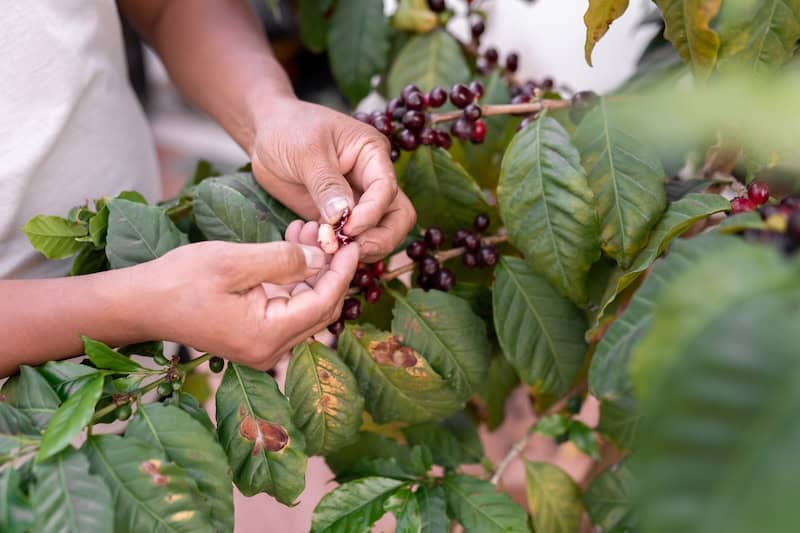
The lush hillsides of Colombia’s Coffee Triangle offer an intimate journey into the world’s finest arabica production. Here, between the towns of Manizales, Armenia, and Pereira, coffee cultivation remains a family affair where traditions passed down through generations create beans that command premium prices worldwide.
Unlike typical farm tours, immersive coffee experiences place you alongside cafeteros during harvest season. You’ll learn to identify perfectly ripe cherries by color and feel, hand-pick beans on steep mountain slopes, and participate in the meticulous processing that determines final flavor profiles. The fermentation process alone—where beans rest in water for precise hours—can mean the difference between mediocrity and excellence.
Essential Details
Best time to visit: October-November or April-May (harvest seasons)
Duration: 2-4 days recommended
Starting point: Pereira or Armenia
Physical level: Moderate – involves hiking steep hillsides
Average cost: $150-400 per day including accommodations
What to expect: Hands-on harvesting, processing observation, professional cupping
Best for: Coffee enthusiasts seeking authentic farm-to-cup experiences
2. Helicopter Flight Over Victoria Falls
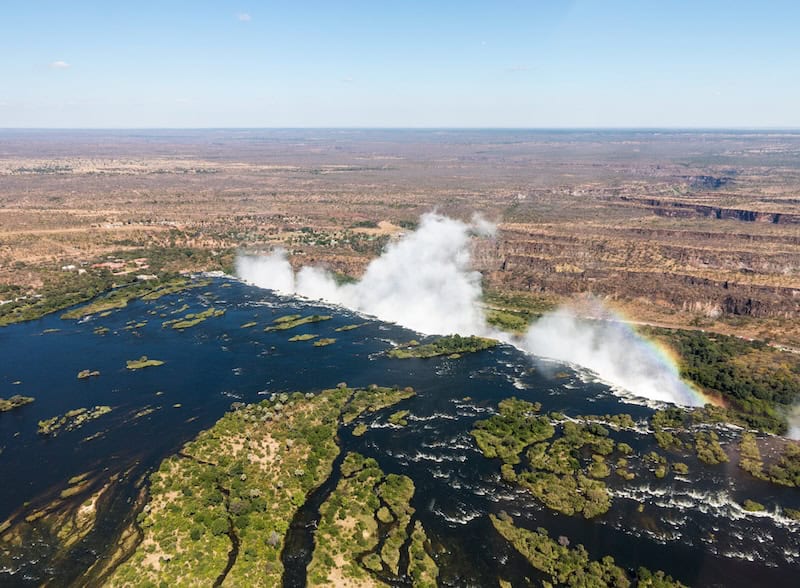
Victoria Falls (The Smoke that Thunders) reveals its true majesty from above. Helicopter tours offer exclusive access to the only vantage point to comprehend the falls’ immense scale—over a mile wide, with water volumes that can reach 550 million liters per minute during peak flow.
The flight typically follows the Zambezi upstream before circling the falls multiple times, allowing views impossible from ground level. You’ll see how the gorge system carved by millennia of erosion creates a serpentine path, watch rainbows form and reform in the perpetual mist, and witness the dramatic difference between the placid river above and the churning chaos below.
Essential Details
Best time to visit: Year-round, varying perspectives by season
Duration: 13-15 minute flights standard
Starting point: Victoria Falls town (Zimbabwe) or Livingstone (Zambia)
Physical level: Low
Average cost: $150-180 USD per person
Weight restrictions: Combined passenger weight limits apply
Important note: Book morning flights for clearest visibility
Best for: Photographers and those seeking perspective on one of nature’s grandest spectacles

3. Harley-Davidson Circuit Around Uluru’s Red Centre
Riding a Harley-Davidson around Uluru transforms the approach to Australia’s most sacred natural monument into a journey of freedom and raw connection with the desert. The 22-mile circuit around the monolith takes on new meaning when experienced from a motorcycle, where the subtle shifts in the rock’s color become visceral as you bank through curves.
Unlike bus tours, motorcycle circuits let you stop spontaneously. You’ll feel the temperature drop when the road passes through rare shaded sections, smell the desert mulga after rare rains, and experience how the landscape opens up as you move from Uluru toward Kata Tjuta’s 36 domes. The iconic American motorcycle against the backdrop of ancient Aboriginal land creates a striking juxtaposition of cultures.
Essential Details
Best time to visit: April-September (cooler months)
Duration: Half-day to multi-day tours
Starting point: Yulara (Ayers Rock Resort)
Physical level: Moderate – requires motorcycle license
Temperature range: 20-30°C (68-86°F) in peak season
What to bring: Long pants, closed shoes, sunscreen mandatory
Average cost: $300-500 AUD for half-day guided tours
Important note: Respect sacred sites – some areas closed to climbing
Best for: Motorcycle enthusiasts seeking spiritual connection with landscape
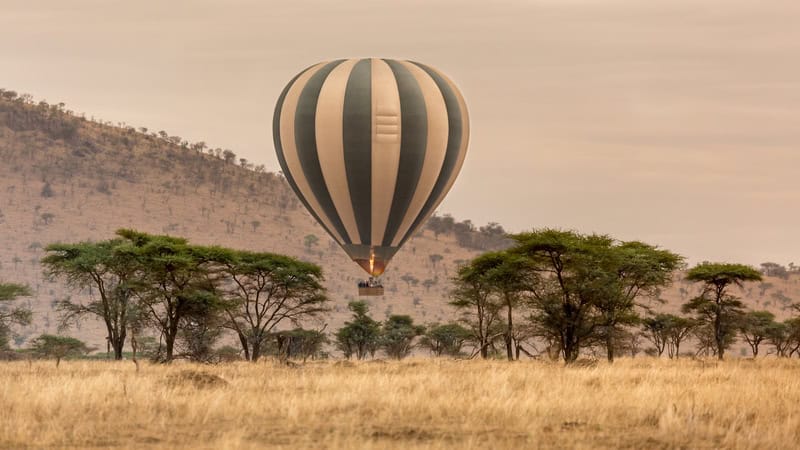
4. Hot Air Balloon Safari Over the Serengeti at Dawn
The Serengeti, one of the world’s most iconic African safari landscapes, takes on an ethereal quality at dawn. Unlike ground-based safaris constrained by roads and terrain, balloon flights offer unrestricted views across the entire ecosystem, revealing wildlife patterns invisible from vehicles.
As you rise silently with the sun, the landscape unfolds in layers. The balloon’s ability to maintain low altitude means you’ll drift just above treetops, close enough to hear lions’ morning roars and watch elephants’ greeting rituals. The flight culminates in a champagne picnic breakfast in the bush, one of the region’s true luxury travel experiences.
Essential Details
Best time to visit: June-October for migration, year-round for general safari
Duration: 1-hour flight plus breakfast
Starting point: Central Serengeti camps
Physical level: Medium – requires climbing into basket, but landing can be tough for those with back issues.
Average cost: $550-650 USD per person
Weight restrictions: Maximum 265 lbs per passenger
Weather note: Flights only in calm morning conditions
Important note: Book 6+ months ahead for peak season
Best for: Photographers and those seeking once-in-lifetime perspective on African wildlife

5. Venice Simplon-Orient-Express
The Venice Simplon-Orient-Express resurrects the glamour of 1920s rail travel, where Art Deco carriages and white-gloved service transform the journey from London to Venice into an experience as memorable as the destination. Unlike modern rail travel focused on efficiency, this is slow travel at it’s best, savoring landscapes, cuisine, and human connection all at the same time.
The meticulously restored carriages feature original marquetry, brass fixtures, and plush upholstery from the train’s golden era. Three-course lunches while crossing the Swiss Alps, afternoon tea service in your private cabin, and formal dinners in the dining car where live piano accompaniment mingles with conversation.
Essential Details
Route: London to Venice (various routes available)
Duration: Approximately 24 hours
Departures: March to November, limited winter journeys
Physical level: Low
Accommodation: Historic cabins, twin or suite options
Dress code: Smart casual by day, black tie encouraged for dinner
Average cost: £3,000-11,000+ per person depending on cabin class
Important note: Book 9-12 months ahead
Best for: Romantics, history enthusiasts, those seeking travel as destination

6. Formula 1 Circuit Experience: High-Speed Precision
Professional racing circuits across Europe and Asia now offer civilians VIP access to the same tracks where F1 legends push physics to its limits. These experiences go far beyond typical track days, combining high-performance vehicles with professional instruction that teaches you to think like a racing driver.
The day begins with classroom theory—racing lines, braking points, and the counter-intuitive techniques that create speed. Then comes the reality: strapped into either F1-style single-seaters or modified road cars generating 500+ horsepower, you’ll navigate corners like Spa’s Eau Rouge or Monza’s Parabolica that you’ve only seen on television. Professional drivers accompany you, providing real-time coaching through helmet communications.
Essential Details
Popular locations: Silverstone (UK), Monza (Italy), Yas Marina (UAE), Suzuka (Japan)
Duration: Half-day to full-day programs
Physical level: Moderate – requires fitness and concentration
Requirements: Valid driver’s license, some circuits require racing license
Average cost: €500-3,000 depending on vehicle and duration
Best time: Year-round (climate dependent)
Important note: Most programs include insurance, some require additional coverage
Best for: Automotive enthusiasts seeking to understand professional racing demands

7. Husky Sledding Through Lapland
Finnish Lapland’s husky sledding experiences offer something profoundly different from Alaskan mushing—the intimacy of guiding your own small team through Arctic forests where silence becomes tangible. These aren’t short tourist rides but multi-day expeditions where you develop genuine partnerships with your dogs.
After learning to harness your team and understanding each dog’s personality, you’ll set off into wilderness where human presence is rare. The only sounds are runners gliding over snow.
Multi-day journeys take you deeper into the wilderness, following frozen rivers and crossing forests where reindeer appear like ghosts in the trees. Nights are spent in remote wilderness cabins or traditional Sámi lavvu tents, where you’ll help feed and care for your team before attending to your own needs. If conditions are right, the aurora borealis performs overhead while you work.
Essential Details
Best time: December-March
Duration: 2-7 day expeditions available
Starting point: Rovaniemi or Saariselkä
Physical level: Moderate to challenging – requires active participation in dog care
Temperature range: -5°C to -30°C (23°F to -22°F)
Team size: Typically 4-6 huskies per sled
Average cost: €200-400 per day including accommodation and meals
What to bring: Arctic clothing (usually provided), warm sleeping bag
Best for: Animal lovers seeking authentic Arctic wilderness immersion
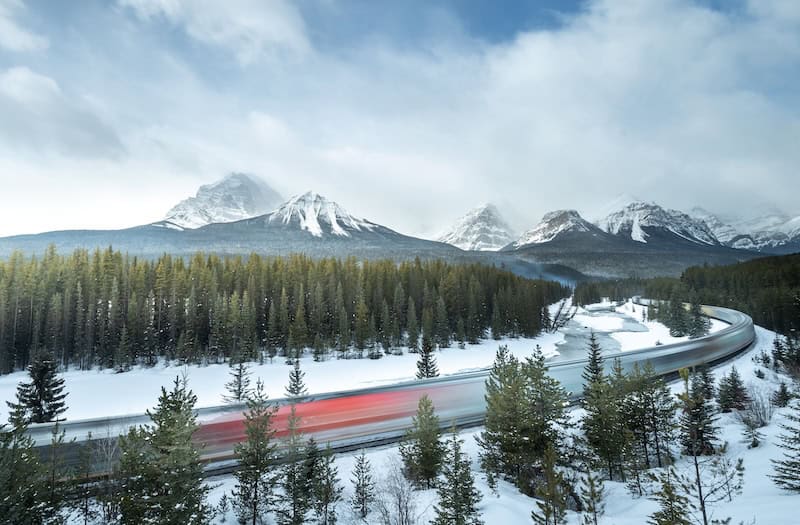
8. Rocky Mountaineer: Canadian Rockies by Rail
The Rocky Mountaineer redefines train travel through Western Canada’s most spectacular terrain. Unlike overnight trains where darkness hides scenery, this journey deliberately stops each evening, allowing two full days to traverse routes that would take hours by car.
The experience centers on the views themselves. Massive windows curve overhead, giving unobstructed sightlines to peaks, glaciers, and canyons. Routes through the Canadian Rockies reveal layers of geological history: sedimentary rock twisted into impossible angles, valleys carved by ice-age glaciers, and rivers ranging from crystal turquoise to milky white with glacial flour. Onboard local experts narrate the landscape, explaining how the railroad’s construction through Rogers Pass represented one of engineering’s greatest challenges.
Essential Details
Popular routes: Vancouver to Banff, Vancouver to Jasper
Duration: 2 days journey, 3 days/2 nights total with hotel
Best time: April-October
Physical level: Low
Service levels: SilverLeaf (single-level dome) and GoldLeaf (bi-level dome with dining room)
Average cost: CAD $1,700-4,500 per person depending on route and service level
Important note: Book 9 months ahead for summer travel
Best for: Those seeking meditative immersion in mountain landscapes with refined comfort
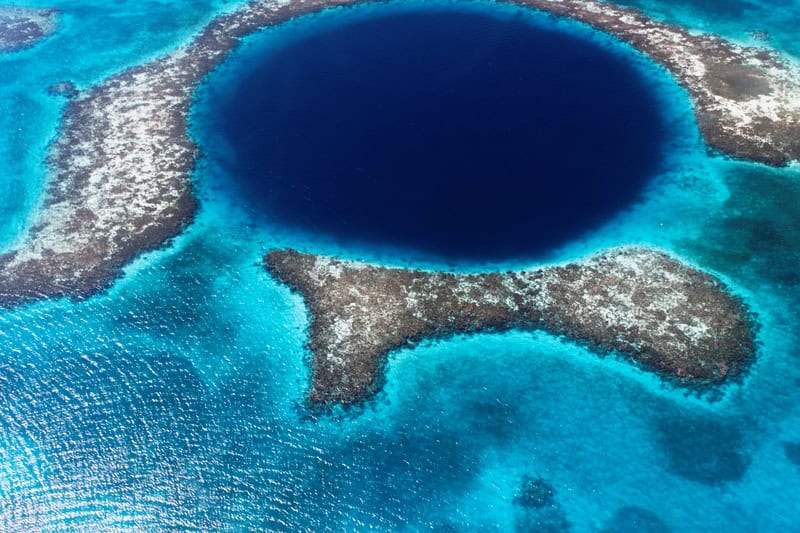
9. Belize’s Blue Hole Flyover Experience
Belize’s Great Blue Hole reveals its perfect circular geometry only from above, where the 1,000-foot diameter sinkhole’s deep indigo contrasts sharply with the turquoise shallows of Lighthouse Reef. Scenic flights over this UNESCO World Heritage site offer perspectives impossible to achieve any other way, showing the formation’s true scale and its position within the larger barrier reef system.
Small aircraft or helicopters circle the Blue Hole multiple times at varying altitudes, allowing passengers on both sides clear views. From higher elevations, you’ll see how the sinkhole sits within the reef like a sapphire in a turquoise setting, with individual coral formations visible in the shallow surrounding waters. On clear days, visibility extends for miles, revealing the transition from shallow Caribbean waters to the deep Mesoamerican Trench.
Essential Details
Best time: Year-round, though November-May offers clearest skies
Duration: 90-minute flights typical
Starting point: Belize City, Caye Caulker, or San Pedro
Physical level: Low
Average cost: $300-400 USD per person
Aircraft: Small planes (3-12 passengers) or helicopters
Important note: Morning flights offer best light for photography
Photography tip: Polarizing filters essential for reducing water glare
Best for: Photographers and those wanting to witness one of Earth’s most perfectly formed natural wonders
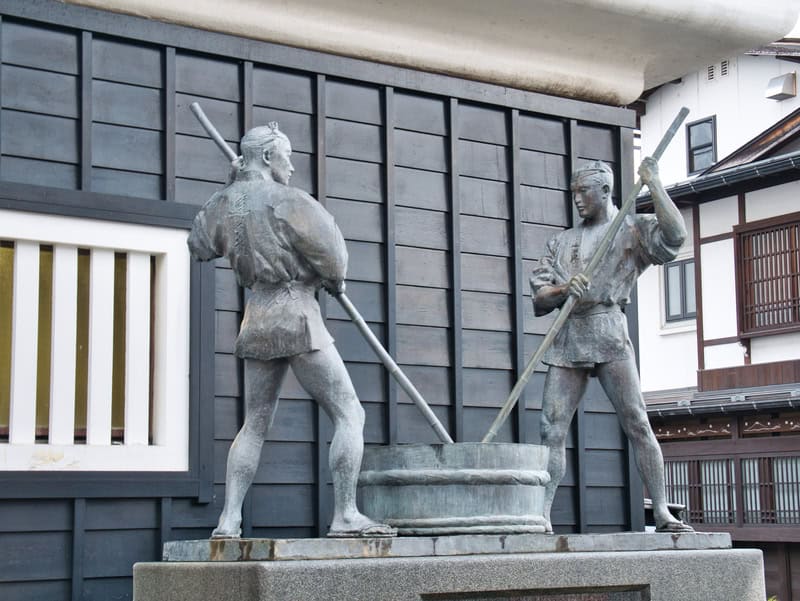
10. Sake Brewery Mastery in Japan
Japan’s sake brewing regions offer immersive experiences where you’ll learn the precise craft of nihonshu production from toji (master brewers) whose families have perfected the art over centuries. Unlike wine tastings, sake immersion requires understanding how seemingly minor variations in rice polishing, water quality, and fermentation temperature create dramatically different flavor profiles.
The experience typically begins at dawn when temperatures are coolest, critical for the brewing process. You’ll participate in washing and steaming rice, learning how the degree of polishing affects final taste. The most revealing moment comes when you observe koji-kin (mold spores) being manually distributed across steamed rice, a temperature-sensitive process that determines whether fermentation succeeds or fails.
Essential Details
Best time: January-March (traditional brewing season)
Duration: 1-5 day programs available
Popular regions: Niigata, Kyoto (Fushimi), Hiroshima (Saijo)
Physical level: Moderate – requires early mornings and some physical work
Average cost: ¥30,000-150,000 ($200-1,000 USD) depending on duration
Language: English-speaking guides available at select breweries
What’s included: Brewing participation, tastings, traditional meals
Important note: Reserve 3-6 months ahead for peak season
Best for: Sake enthusiasts seeking to understand the craft behind Japan’s national beverage

11. Snorkeling Silfra in Iceland
Iceland’s Silfra fissure offers the only place on Earth where you can snorkel between two continental plates, suspended in glacial water so clear that visibility reaches 100 meters. Here, the North American and Eurasian tectonic plates pull apart at roughly 2 centimeters per year, creating an underwater canyon filled with some of the purest water on the planet.
The experience requires a dry suit; water temperatures hover around 2°C (36°F) year-round, but the thermal protection allows you to focus on the surreal environment. The water clarity is dreamlike, where distance becomes deceptive. Features 50 meters away appear within arm’s reach, creating an almost hallucinatory sense of proximity.
What makes Silfra unique isn’t just the geological significance but the absolute purity of the environment. The water you’re floating in fell as snow on Langjökull glacier decades ago, filtered through porous lava rock for years before emerging in the fissure. No fish inhabit these waters—only brilliant green algae called “troll hair” decorates the rocks, constructing the only splash of color against black volcanic stone.
Essential Details
Best time: Year-round, though summer offers warmer air temperatures
Duration: 3-4 hours including briefing and suit-up
Starting point: Þingvellir National Park
Physical level: Moderate – requires swimming ability and comfort in cold water
Water temperature: 2-4°C (35-39°F) year-round
Requirements: Must be physically fit, sober, and comfortable in water
Average cost: ISK 25,000-35,000 ($180-250 USD)
What’s provided: Dry suit, mask, snorkel, fins
Important note: Dry suit fits snugly—claustrophobia concerns should be considered
Best for: Adventurous snorkelers seeking utterly unique geological experience

12. Go-Off-Grid in the Empty Quarter: Rub’ al Khali, UAE
The Rub’ al Khali isn’t just a desert – it’s an ocean of sand that stretches in every direction. Standing atop dunes that tower 800 feet high, you’ll understand why the Bedouin named it the Empty Quarter. Here, your phone signal disappears, and with it, the constant hum of modern life — this is where your journey begins.
Most experiences begin at sunset. Here you’ll learn to find water sources hidden beneath the sand, navigate by the stars, and track the subtle signs of life that persist in this seemingly barren landscape. During the day, temperatures can soar past 40°C (104°F), while nights bring a bone-deep chill that makes you grateful for the warmth of the campfire.
Essential Details
Best time to visit: November to March
Duration: 3-5 days recommended
Starting point: Dubai or Abu Dhabi
Physical level: Moderate – be prepared for walking in soft sand and extreme temperatures

13. Gliding in Aspres-sur-Buëch: Thermal Currents Above the French Alps
In the Southern French Alps, Aspres-sur-Buëch offers gliding enthusiasts a hidden paradise of thermal currents and dramatic mountain scenery. Unlike crowded gliding destinations, this region provides an intimate dance with the sky, where mountain winds create perfect conditions for soaring.
Embark as you float silently above peaks that rise dramatically from verdant valleys, with nothing between you and the landscape but a thin layer of fiberglass. The thermals here – rising columns of warm air – lift gliders to extraordinary heights, allowing pilots to traverse vast distances using only natural air currents.
Experienced pilots can expect to ride thermal lifts up to 10,000 feet, with mountain geography creating unique air movement patterns. The best months are June through September, when stable weather and consistent thermal activity offer optimal gliding conditions.
Essential Details
Best time to visit: June to September
Duration: 3-7 days recommended
Starting point: Gap-Tallard Airport
Physical level: Advanced – requires previous gliding experience or specialized training Certification: Glider pilot license strongly recommended
Average flight time: 2-4 hours per day

14. Ziplining in Costa Rica: Rainforest Canopy Adventure
Costa Rica’s rainforests provide an aerial journey through one of the most biodiverse ecosystems on the planet. Imagine soaring between ancient trees, suspended high above the forest floor, with glimpses of wildlife moving through the landscape below.
The country’s ziplining experiences are renowned for their unique combination of adrenaline and ecological immersion. Spanning multiple platforms across dense tropical forests, these tours take you through layers of the rainforest ecosystem – from dark forest floors to sunlit canopies where rare birds and monkeys make their home.
Most zipline routes stretch over several miles, with individual lines ranging from 300 to 2,300 feet long. The longest and most spectacular circuits are found in Monteverde Cloud Forest and Arenal Volcano National Park, where terrain and biodiversity create unparalleled experiences.
Essential Details
Best time to visit: December to April (dry season)
Duration: Half-day to full-day experiences
Starting point: Monteverde or Arenal
Physical level: Moderate – requires basic fitness and comfort with heights
Age range: Typically 8 years and older
Average tour length: 2-3 hours
Safety equipment: Fully provided by tour operators

15. Be an Extra in a Bollywood Movie: Mumbai’s Film City
Mumbai’s film industry produces over 1,000 movies annually, more than twice Hollywood’s output. As a foreign extra in Bollywood productions, you’ll experience the industry from within while becoming part of India’s spirited cinematic tradition.
The experience begins early at Film City, Bollywood’s expansive production complex. After wardrobe and makeup transform you into anything from a colonial-era British officer to a modern wedding guest, you’ll join hundreds of extras on elaborate sets.
Unlike Western productions, Bollywood shoots embrace controlled chaos – dance sequences, dramatic confrontations, and romantic scenes might all film simultaneously on adjacent sets. Foreign visitors often receive featured background roles, sometimes even with improvised lines or dance moves.
Essential Details
Best time to visit: October to March (cooler months)
Duration: 10-14 hour days
Starting point: Mumbai
Physical level: Moderate – long hours standing in Mumbai heat
How to apply: Casting agencies like Casting Bay or on-location scouts
Average pay: 500-1000 rupees per day for foreigners
Important note: Film City requires security clearance – book through agencies
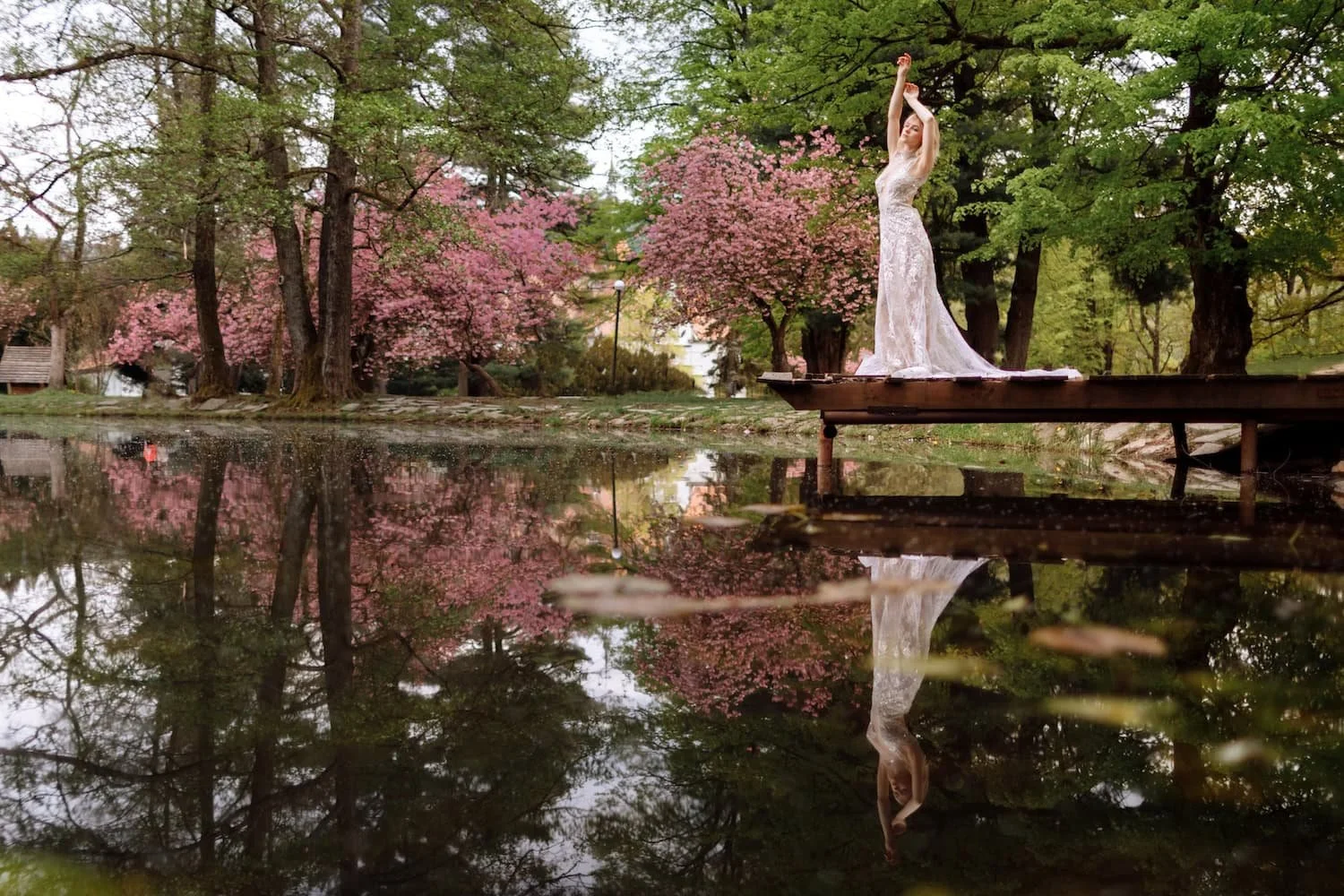
16. Marry Yourself: Solo Wedding Ceremony in Japan
Japan’s “solo wedding” experiences offer single women (and sometimes men) the opportunity to celebrate self-love through traditional wedding rituals without a partner. This uniquely Japanese concept combines ancient ceremony with modern self-affirmation.
Beginning with professional hair and makeup styling, followed by a traditional dress or kimono fitting where specialists wrap you in layers of exquisite silk. Professional photographers then guide you through iconic Kyoto locations – ancient temples, bamboo forests, and manicured gardens – capturing formal portraits that rival any traditional wedding album.
Day two culminates in a private Shinto ceremony where you make vows to yourself, promising self-respect and personal growth. Some packages include reception dinners where you celebrate with friends or simply enjoy a moment of reflection. Throughout, Japanese wedding coordinators treat the experience with the same reverence as traditional ceremonies.
Essential Details
Best locations: Kyoto, Tokyo
Duration: 1-2 days
Physical level: Low
Languages: English-speaking coordinators available
Average cost: $236-5,000 USD
Includes: Kimono rental, hair/makeup, photography, ceremony
Best for: Solo travelers seeking a meaningful personal ritual

17. Dive Shipwrecks in Palau: WWII Underwater Museum
Palau’s waters house one of history’s most accessible underwater museums – dozens of perfectly preserved Japanese vessels and aircraft from WWII’s Operation Desecrate One.
Unlike other dive destinations, Palau offers rare combination of historical significance and pristine marine ecosystems.
The Helmet Wreck, a Japanese supply ship discovered in 1989, remains virtually untouched, with gas masks, medicine bottles, and ammunition still arranged as they were 80 years ago. The more challenging Iro Maru dive takes you through a 470-foot merchant vessel where coral now grows through massive deck guns.
What makes these dives special isn’t just the wrecks but their context within Palau’s legendary marine biodiversity. Between wreck dives, you’ll encounter reef sharks, manta rays, and thousands of tropical fish species in waters with visibility often exceeding 100 feet.
Essential Details
Best time to visit: November to April
Duration: 7-10 days recommended
Starting point: Koror
Physical level: Advanced – open water certification required, wreck specialty recommended Average depth: 60-120 feet
Water temperature: 82-86°F year-round
Dive operations: Multiple professional outfitters with historical knowledge

18. Sandboarding the Atacama: Surfing Chile’s Ancient Desert
The Atacama Desert offers a surreal sandboarding experience on massive dunes surrounded by Mars-like landscapes. Unlike traditional snow sports, sandboarding here combines sand conditions with otherworldly terrain that hasn’t seen significant rainfall in over 400 years.
Valle de la Muerte (Death Valley) provides the premier sandboarding location, with dunes rising over 400 feet against a backdrop of volcanoes and salt flats. After a brief instruction session, you’ll strap into specialized boards designed specifically for sand conditions. The first run teaches you the fundamental difference from snowboarding – sand requires significantly more wax and creates more resistance.
What makes this experience transcendent is the setting itself. The absolute silence of the desert, broken only by the sound of your board carving through ancient sand, creates a meditative quality.
Essential Details
Best time to visit: Year-round
Duration: Half-day to full-day tours
Starting point: San Pedro de Atacama
Physical level: Moderate – requires hiking up dunes between runs
Average cost: $40-80 USD including equipment
What to bring: Sunscreen, sunglasses, bandana (for sand), closed shoes
Important note: No lifts – every run requires climbing back up

19. Walk a Pilgrimage: The Camino de Santiago, Spain
The Camino de Santiago is a journey through 1,200 years of history along Europe’s most famous pilgrimage route. The traditional Camino Francés stretches 500 miles from the French-Spanish border through medieval villages, vineyards, and age-old forests before reaching Santiago de Compostela’s magnificent cathedral.
Walking the Camino means following yellow arrows and scallop shell markers that have guided pilgrims for centuries. Each day brings 12-18 miles of walking, punctuated by stays in albergues (pilgrim hostels) where you’ll share meals and stories with fellow travelers from around the world.
The pilgrimage’s transformative power comes from its simplicity – carrying only essentials, walking daily regardless of weather, and embracing the pilgrim’s motto: “The Camino provides.” Many report that the physical journey becomes secondary to the internal one, as the rhythm of walking creates space for reflection impossible in everyday life.
Essential Details
Best time to visit: April-June or September-October
Duration: 30-35 days for full Camino Francés, shorter routes available
Starting point: St. Jean Pied de Port (France)
Physical level: Moderate to challenging – varies by route
Average cost: €30-50 per day including accommodations and meals
Required document: Pilgrim’s credential (passport) for albergue access
Important milestone: Receive the Compostela certificate after walking at least 100km
Alternative routes: The Mozarabic Way, The English Way, The Portuguese Way, and The Winter Way.

20. Scale a Frozen Waterfall: Ice Climbing in New Zealand
New Zealand’s South Island transforms into an ice climber’s paradise each winter, with dozens of frozen waterfalls creating vertical ice sculptures against dramatic alpine backdrops. Unlike rock climbing, ice climbing offers a constantly changing medium where no two climbs are ever identical.
The experience begins with specialized training in crampon technique and ice tool placement.
You’ll learn to read the ice – identifying solid placements versus brittle sections – before attempting your first vertical climb. The sensation is unlike any other adventure sport: the rhythmic swing of ice tools, the satisfying “thunk” as they bite into solid ice, and the delicate balance required to maintain your position on the frozen face.
Wye Creek near Queenstown offers beginners accessible frozen falls with heights from 30-150 feet, while advanced climbers tackle multi-pitch routes on the imposing frozen cascades of Mt. Aspiring National Park.
What makes New Zealand special is the combination of quality ice formations and jaw-dropping scenery, with turquoise lakes and snow-capped peaks visible from most climbing locations.
Essential Details
Best time to visit: June to August
Duration: 1-3 day courses common
Starting point: Queenstown or Wanaka
Physical level: Challenging – requires upper body strength
Average cost: NZ$300-700 for guided experiences
Equipment: All technical gear typically provided
Prior experience: No climbing background is necessary for introductory courses

21. Horse Riding in Mongolia: Nomadic Journey Across the Steppe
Mongolia’s vast steppe remains one of the last places on earth where horses aren’t just transportation but a way of life. Here, you’ll ride with nomadic families who still migrate seasonally across landscapes that haven’t changed in centuries.
Unlike Western trail rides, Mongolian horseback experiences immerse you in the old traditions of Genghis Khan’s homeland. You’ll ride sturdy, compact Mongolian horses – small but incredibly strong mounts perfectly adapted to the harsh environment. These semi-wild horses respond differently than their Western counterparts, teaching you a new relationship with these animals.
The journey typically takes you through multiple ecosystems – from flower-carpeted grasslands to the edges of the Gobi Desert – while sleeping in traditional gers (yurts).
Days follow the nomadic rhythm: rising with the sun, riding 4-6 hours across unlimited open spaces without fences or roads, and ending with fermented mare’s milk shared around evening fires.
Essential Details
Best time to visit: June to September
Duration: 7-14 days recommended
Starting point: Ulaanbaatar
Physical level: Moderate to challenging – previous riding experience helpful
Average daily ride: 15-25 miles
Accommodations: Combination of family gers and camp tents
Important note: No cell service or modern amenities in remote areas

22. Surf Tofino: Cold-Water Wave Riding in British Columbia
Tofino sits on Vancouver Island’s wild west coast, where temperate rainforests meet the powerful Pacific. Unlike tropical surf destinations, Tofino offers a raw, elemental surfing experience where mist-shrouded beaches and snow-capped mountains create an otherworldly backdrop.
The cold waters here create waves with unique characteristics – denser and more powerful than warm-water breaks. Wearing a 5mm wetsuit, hood, boots and gloves, you’ll paddle out through forests of bull kelp to catch waves that range from gentle rollers at Cox Bay to more challenging breaks at North Chesterman.
What makes Tofino special isn’t just the surf, but the combination of adventure elements. Morning surf sessions might be followed by afternoon hiking through old-growth forests, wildlife watching, or soaking in natural hot springs. The town itself maintains its fishing village character, with local seafood restaurants and artisan shops lining the harbor.
Essential Details
Best time to visit: Year-round, but October-February offers biggest waves
Water temperature: 8-14°C (46-57°F) throughout the year
Duration: 3-5 days recommended
Physical level: Moderate to challenging
Equipment: Rentals widely available (thick wetsuits essential)
Instruction: Multiple surf schools for all levels
Après-surf: Hot springs, rainforest hikes, wildlife tours

23. Ice Bath or Cold Plunge: Swedish Winter Immersion
In Sweden’s frozen landscape, ice bathing has evolved from tradition to a modern wellness practice. The experience typically begins in a wood-fired sauna where temperatures reach 80-90°C (176-194°F), followed by a plunge into a hole cut through frozen lake ice, where water temperatures hover just above freezing.
This extreme temperature contrast triggers a cascade of physiological responses. The initial shock gives way to exhilaration as your body releases endorphins, adrenaline, and dopamine. Practitioners report improved circulation, reduced inflammation, and a meditative mental clarity that lingers long after warming up.
The most authentic experiences combine traditional Finnish sauna ritual with wilderness settings. In winter, many lakes across Swedish and Finnish Lapland offer organized ice bathing, often under the aurora borealis. Unlike controlled ice baths elsewhere, these natural settings connect you to centuries of Nordic tradition.
Essential Details
Best time to visit: December to March
Duration: 2-3 hour sessions
Starting point: Stockholm, Malmö,
Physical level: Moderate – consult doctor if you have heart conditions
What to bring: Swimsuit, warm hat, flip-flops
Average session: 3-5 sauna/ice bath cycles
Important note: Never ice bathe alone – always with experienced guides
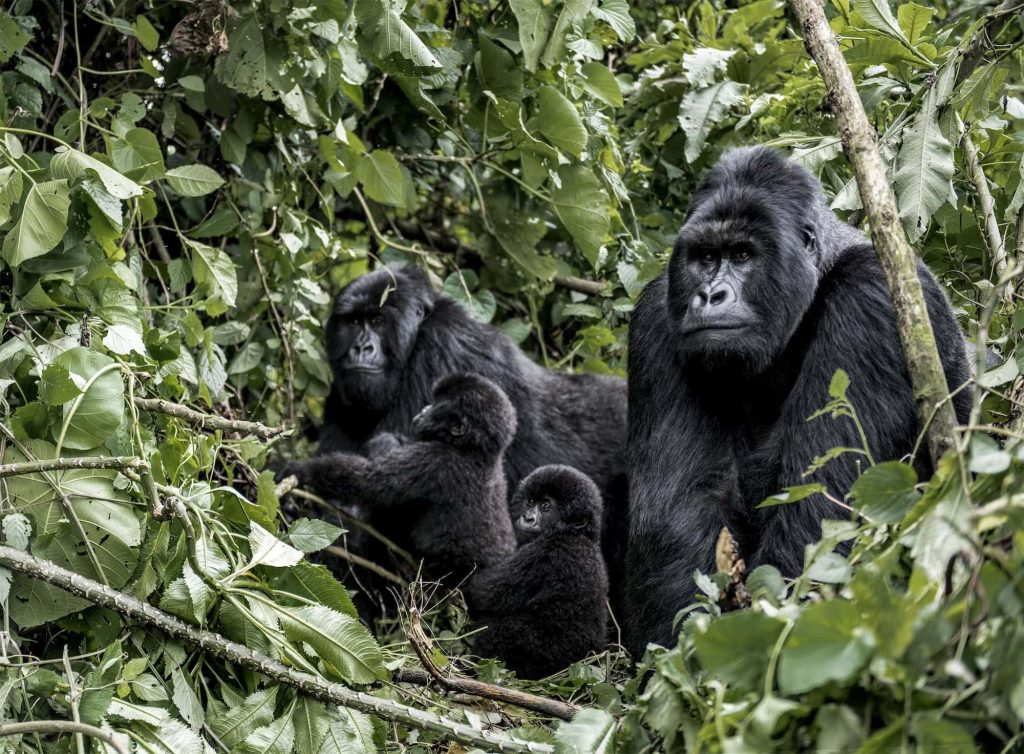
24. Gorilla Trek: Mountain Encounters in Uganda
Uganda’s Bwindi Impenetrable Forest offers one of Africa’s most intimate wildlife experiences – tracking mountain gorillas in their natural habitat. Unlike traditional safaris, gorilla trekking limits you to small groups of eight, ensuring minimal impact on these endangered primates and maximizing your connection with them.
The trek begins at dawn, following expert trackers who read subtle signs – broken bamboo, fresh dung, nest sites – to locate your assigned gorilla family. The hike through dense rainforest can take anywhere from 30 minutes to 6 hours, climbing steep, muddy trails until you encounter these magnificent creatures.
Once you find them, you have exactly one hour in their presence. Watch silverbacks nurture their young, adolescents playfully tumble through vegetation, and mothers tenderly care for infants. At times, merely 20 feet separate you from these gentle giants, creating moments of cross-species connection that participants describe as life-changing.
Essential Details
Best time to visit: June-September or December-February (dry seasons)
Duration: Full day trek, one-hour gorilla encounter
Starting point: Bwindi Impenetrable National Park
Physical level: Challenging – steep, muddy terrain at high altitude
Permit cost: $700 USD per person
Group size: Maximum 8 people per gorilla family
Important note: Book permits 6-12 months in advance
25. Run a Marathon: London’s Iconic Urban Course
The London Marathon is a 26.2-mile celebration through one of the world’s most historic cities. Unlike other major marathons, London offers a combination of iconic architecture, passionate crowds, and manageable terrain for first-time marathoners.
The course takes you past some of humanity’s most recognizable landmarks – Tower Bridge, Buckingham Palace, the Houses of Parliament – while more than 750,000 spectators line the streets.
The energy proves infectious as neighborhood crowds develop their own traditions: Bermondsey’s infamous “wall of sound,” Greenwich’s steel drum bands, and the Isle of Dogs’ motivational signs.
What distinguishes London is the balance of athletic challenge and accessibility. The relatively flat course and mild April temperatures create favorable conditions, while the meticulous organization ensures that water, energy gels, and medical support remain readily available. For many participants, crossing the finish line on The Mall – with Buckingham Palace in view – becomes a defining life moment.
Essential Details
Race date: April (annual)
Registration: Lottery system opens 8 months prior
Physical level: Challenging – requires 3-6 months training
Average finishing time: 4:37 for all runners
Entry fee: £49 for UK residents, £99 for international
Charity entries: Guaranteed spots through fundraising commitments
Important note: 40% acceptance rate through lottery – apply early
26. Dinosaur Dig: Unearthing History in Alberta’s Badlands
Alberta’s Badlands house one of the world’s richest dinosaur fossil beds, where prehistoric remains emerge from otherworldly rock formations. Unlike museum visits, these authentic dig experiences put real paleontological tools in your hands and let you contribute to active research sites.
The experience begins with training in fossil identification and excavation techniques at the Royal Tyrrell Museum’s field stations. You’ll learn to distinguish bone from rock, properly document finds, and carefully extract specimens. The work demands patience – a single fossil might take days to properly expose and remove.
What makes Alberta special is the concentration of specimens from the late Cretaceous period. The Badlands’ unusual geology preserved entire ecosystems, creating a prehistoric time capsule where each careful brush stroke might reveal a new species. Many sites remain so fertile that finds are nearly guaranteed during multi-day digs.
Essential Details
Best time to visit: June to August
Duration: 1-day to 2-week programs
Starting point: Drumheller, Alberta
Physical level: Moderate – requires kneeling and careful movement
Cost: $175-400 per day
Equipment: All tools provided
Weather note: Prepare for extreme temperature changes
Important requirement: Minimum age 14 for most programs
27. Sleep in a Glass Igloo: Northern Lights in Finnish Lapland
In the heart of Finnish Lapland, glass igloos offer front-row seats to nature’s most spectacular light show. Unlike traditional aurora viewing, these heated glass domes let you witness the northern lights from the comfort of your bed, with unobstructed views of the Arctic sky.
The igloos combine comfort with isolation – each dome features thermal glass that stays clear even in sub-zero temperatures, while automated systems alert you when the aurora appears. During the day, activities range from husky sledding to snowmobiling across frozen lakes. As night falls, the igloos become personal planetariums where you can stargaze until sleep takes over.
Essential Details
Best time to visit: December to March
Duration: 2-3 nights recommended
Location: Kakslauttanen or other Lapland resorts
Physical level: Low
Average cost: €500-1000 per night
Viewing success rate: 70-80% during peak season
Temperature inside: Consistently warm despite exterior conditions
Important note: Book 6-12 months ahead for peak season
28. Dog Sledding in Alaska: Iditarod Adventure
Alaska’s winter wilderness opens up to those willing to learn the art of dog sledding. Unlike snowmobiles or skiing, mushing connects you to both the landscape and the remarkable animals that make Arctic travel possible. The experience combines raw adventure with the chance to bond with highly trained sled dogs.
Most multi-day experiences begin with learning commands, harnessing techniques, and sled handling basics. You’ll discover each dog’s personality and position in the team – from strong wheel dogs near the sled to intelligent lead dogs who respond to voice commands. As you gain confidence, day trips extend into overnight adventures, where you’ll help feed and care for your team.
What sets Alaska apart is the authenticity of the experience. Many tours are run by former Iditarod racers who share stories of the legendary 1,000-mile race while teaching you the skills that keep mushers alive in the Arctic. Some programs even let you mush sections of the actual Iditarod Trail.
Essential Details
Best time to visit: December to March
Duration: Half-day to multi-day expeditions
Starting point: Anchorage or Fairbanks
Physical level: Moderate – must help with dog care
Temperature range: -20°F to 20°F (-29°C to -7°C)
What to bring: Arctic-grade clothing (often provided)
Important note: Book well ahead for Iditarod season (March)
29. Treasure Hunt: Modern-Day Pirate Adventure in Key West
Key West’s rich pirate history comes alive through organized treasure hunts that blend historical research with modern technology. Unlike typical tourist attractions, these hunts send you through hidden alleyways and lesser-known historical sites following authentic clues based on real pirate lore.
The experience combines physical challenges with puzzle-solving and navigation skills. Armed with maps, UV lights, and coded messages, you’ll decipher clues leading to locations connected to famous pirates like Black Caesar and Calico Jack. Local historians create scenarios based on documented events from the island’s golden age of piracy.
What makes Key West unique is how seamlessly historical sites blend with modern attractions. You might decode a message in a centuries-old fort, then follow coordinates to a hidden cove where modern-day “pirates” have staged the next challenge. The hunt typically ends at sunset with a traditional rum toast at a historic harbor tavern.
Essential Details
Best time to visit: November to April
Duration: 2-4 hours per hunt
Starting point: Key West Historic Seaport
Physical level: Low to moderate – walking required
Group size: 2-6 people recommended
Cost: $50-100 per person
What to bring: Comfortable shoes, water, sunscreen
Important note: Evening hunts offer cooler temperatures and unique atmosphere
30. The Great Migration Safari: Tanzania’s Serengeti Plains
The Serengeti’s Great Migration offers nature’s most spectacular show – over two million wildebeest, zebras, and gazelles moving in an endless cycle across Tanzania and Kenya. Unlike static safari experiences, the migration puts you in the middle of a dynamic, ever-moving ecosystem.
Witness dramatic river crossings where massive herds brave crocodile-filled waters, or see predator-prey interactions as big cats target stragglers. The experience changes with the seasons: calving season brings thousands of births daily, while dry periods concentrate massive herds around shrinking water sources.
What makes this experience unique is its scale and unpredictability. No two days are alike as you follow the herds’ movement patterns. Morning might bring a peaceful grazing scene, while afternoon could erupt into intense drama as predators make their move. The constant movement of animals creates an energy that participants describe as both primal and humbling.
Essential Details
Best time to visit: Year-round, but July-October for river crossings
Duration: 5-10 days recommended
Starting point: Arusha, Tanzania
Physical level: Low – mostly vehicle-based
Accommodation: Luxury lodges to mobile camps
Cost: $500-1000 per day all-inclusive
Important note: Book 1 year ahead for peak season
Weather: Varies by season and location
31. Food Foraging: Scottish Highland Wilderness Feast
The Scottish Highlands offer one of Europe’s last true wilderness foraging experiences. Foraging here connects you directly with an ancient landscape where wild foods remain abundant and pristine. From coastal seaweed to mountain mushrooms, each ecosystem provides unique edible treasures.
Expert guides teach you to identify edible plants, mushrooms, and shellfish while sharing traditional Scottish preservation and preparation methods. You’ll learn to spot chanterelles hiding under birch trees, harvest wild garlic from woodland floors, and gather mussels from rocky coastlines. The experience combines botanical education with ancient Celtic food wisdom.
The day culminates in an outdoor feast where you’ll help transform your foraged ingredients into a meal. Traditional recipes might include nettle soup, wild mushroom risotto, or seafood caught hours earlier. Some tours include whisky pairings featuring local distilleries, completing the Highland experience.
Essential Details
Best time to visit: April to October
Duration: Half-day to full-day experiences
Starting point: Inverness or Edinburgh
Physical level: Moderate – includes hiking and bending
What to bring: Weather-appropriate clothing, sturdy boots
Group size: Maximum 8-10 people
Important note: Seasonal variations affect available ingredients
Weather consideration: Tours run rain or shine
32. Learn Muay Thai: Traditional Training in Bangkok
Bangkok’s authentic Muay Thai camps offer total immersion in Thailand’s ancient martial art. Unlike Western boxing gyms, these training camps maintain centuries-old traditions while developing both fighting technique and mental discipline.
A typical day begins at dawn with a 5-mile run, followed by intensive technique training. You’ll learn the “art of eight limbs” – using fists, elbows, knees, and shins as weapons. Between sessions, you’ll practice meditation, receive traditional massage, and follow strict dietary guidelines. Many camps house students in simple on-site accommodations to maintain complete focus on training.
What separates authentic camps from tourist experiences is the intensity and tradition. You’ll train alongside professional fighters, learn traditional pre-fight rituals, and hear the history of each technique. Some camps offer the opportunity to test your skills in real matches at local stadiums.
Essential Details
Best time to visit: November to February (cooler months)
Duration: 1-4 weeks recommended
Location: Bangkok or Phuket
Physical level: Very challenging – intense daily training
Training: 4-6 hours daily, 6 days per week
What to bring: Basic training gear provided
Average cost: $200-500 per week including accommodation
Important note: Medical clearance required
33. Street Food Tour: Penang’s Night Markets
Penang’s UNESCO-listed food scene comes alive after dark, when the island’s legendary hawker stalls fill with smoke and sizzle. Nighttime exploration reveals how locals really eat, with generations-old recipes served from humble carts and makeshift kitchens.
The experience takes you through narrow streets where each turn brings new aromas – charcoal-grilled satay, wok-fried noodles, bubbling curry pots. Local guides share each dish’s history while teaching proper eating etiquette, like how to properly mix Assam Laksa or the correct way to eat durian. Many stops include visits with hawkers who’ve been cooking the same dish for decades.
What makes Penang special is the intersection of Chinese, Malay, and Indian cuisines. In a single evening, you might taste Hokkien mee noodles, Malay-style grilled fish, and Indian roti canai, each representing a different cultural tradition that has shaped the island’s culinary identity.
Essential Details
Best time to visit: Year-round, though avoid monsoon (September-October)
Duration: 3-4 hours
Starting point: George Town
Physical level: Low – walking required
Group size: Small groups (maximum 8)
Cost: $30-50 per person
Language: English-speaking guides available
Important note: Come hungry, pace yourself
34. Walk on the Zhangjiajie Glass Bridge: China’s Aerial Adventure
China’s Zhangjiajie Glass Bridge stretches 1,410 feet across the Grand Canyon of Zhangjiajie, making it one of the world’s most spectacular aerial walks. Unlike traditional observation decks, the transparent glass floor creates the illusion of walking on air, with nothing but clear panels between you and the 984-foot drop to the canyon floor.
The bridge itself is an engineering marvel, using advanced glass technology that remains clear despite millions of footsteps. Each panel consists of three layers of tempered glass, strong enough to hold the weight of 25 people per square meter. The experience combines adrenaline rush with breathtaking views of the landscape that inspired Avatar’s floating mountains.
What makes this experience unique is the setting itself. The surrounding area features thousands of quartzite sandstone columns rising from subtropical forests, creating an otherworldly landscape unlike anywhere else on Earth. Early morning visits often find the peaks shrouded in mist, adding to the surreal atmosphere.
Essential Details
Best time to visit: April to October
Duration: 1-2 hours on bridge, full day in park
Location: Zhangjiajie National Forest Park
Physical level: Low – but requires courage with heights
Visitor limit: 800 people at a time
Cost: ¥138 ($20 USD) for bridge access
Important note: Book morning slots to avoid crowds
Weather restriction: Closes during severe weather
35. Sous Chef Experience: “Into the Kitchen” in Toronto
Toronto’s “Into the Kitchen” offers a rare opportunity to step behind the pass and work alongside award-winning chefs in professional restaurant environments. This isn’t a cooking class – it’s full immersion into the controlled chaos of a high-end kitchen during actual service.
Participants spend a full day prepping ingredients, learning professional knife skills, and mastering the intricacies of timing multiple dishes. When service begins, you’ll work a specific station under the watchful eye of the head chef, feeling the pressure and exhilaration of serving real customers.
The experience culminates in designing and executing your own dish for the staff meal, incorporating techniques learned throughout the day. Many participants describe this as transformative, forever changing how they approach food preparation and giving them newfound respect for culinary professionals.
Essential Details
Best time to visit: Year-round, weekday experiences recommended
Duration: Full day (10-12 hours)
Starting point: Downtown Toronto
Physical level: Moderate – requires standing for extended periods
What to bring: Comfortable, closed-toe shoes
Age requirement: 18+
Average cost: $600-1500 CAD
Prior experience: No professional experience is required, but basic cooking knowledge is helpful
36. Traverse the Middle East’s Highest Via Ferrata: Oman’s Vertical Adventure
The “Middle East’s Grand Canyon” hosts the world’s highest via ferrata, ascending the sheer walls of Jebel Shams. Unlike traditional rock climbing, via ferrata combines fixed steel cables with iron rungs and bridges, making vertical terrain accessible while maintaining an authentic sense of exposure and adventure.
The route zigzags up Oman’s highest mountain, reaching heights of over 6,000 feet above the canyon floor. As you climb, you’ll cross suspended bridges, traverse horizontal cables, and scale vertical faces while ancient Bedouin villages and fossil-laden rock layers tell the story of the region’s history. The exposure is breathtaking – at times, you’re walking along cliff edges with drops of thousands of feet on either side.
What makes this experience unique is the combination of accessibility and adventure. While no climbing experience is necessary, the height and exposure create an intensity that matches any technical climb. The surrounding landscape of twisted rock formations and biblical-era villages adds a cultural dimension unseen in other via ferrata locations.
Essential Details
Best time to visit: October to April
Duration: Full day
Starting point: Nizwa or Muscat
Physical level: Moderate to challenging
Equipment: All safety gear provided
Cost: Starting from $65 per person
Maximum height: 6,000 ft (1,800m)
Important note: Not recommended for those with severe fear of heights
Which adventure is calling your name?
2025 is yours to fill with extraordinary moments. Whether you seek high-adrenaline challenges, cultural deep-dives, or peaceful reflection in the world’s most remote places, these experiences are waiting for you. The only question is—where will you go first?